

Intersection of Antisemitism and Violent Extremism
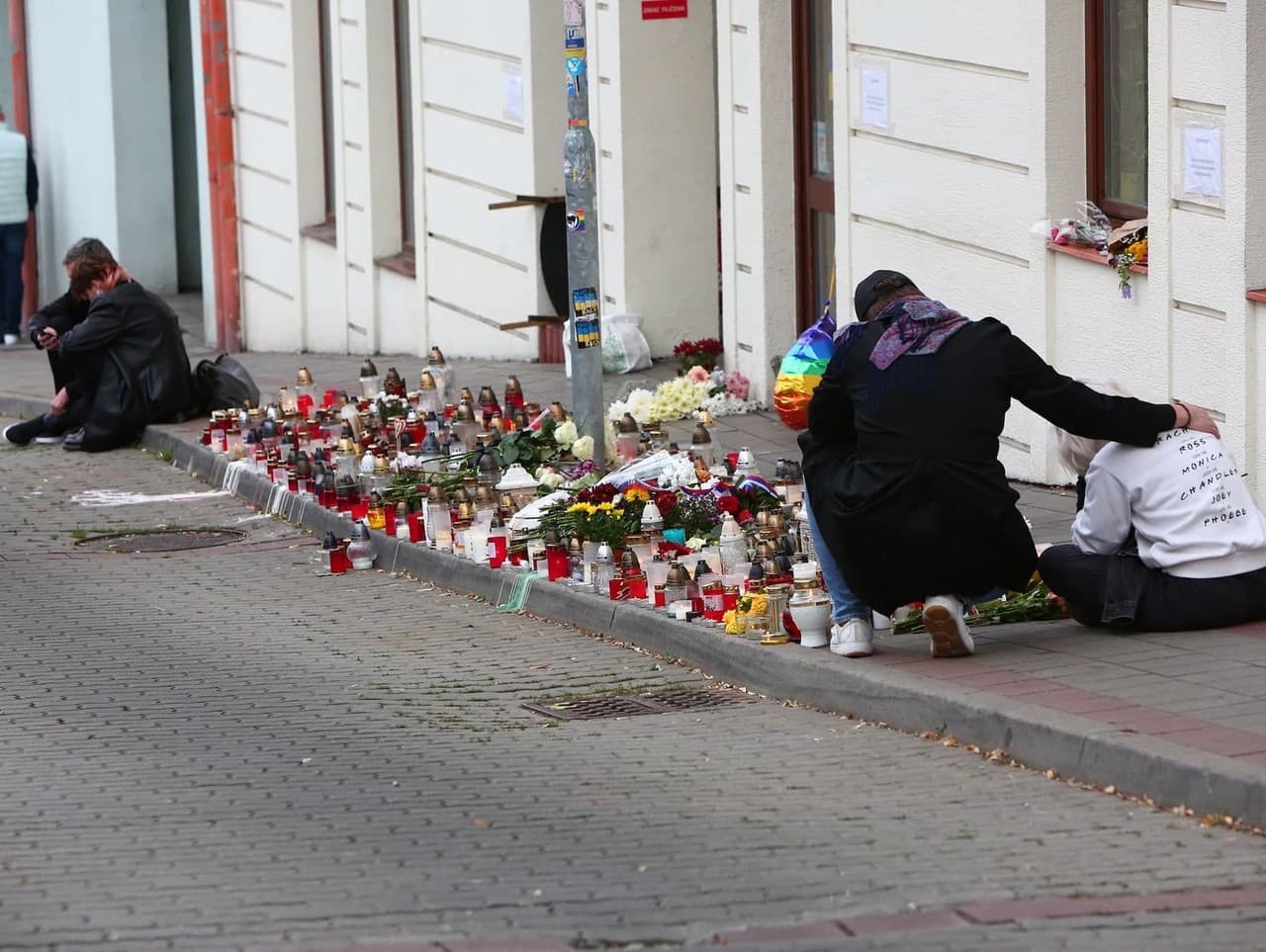
On 12 October 2022, a young extremist opened fire outside the Tepláreň LGBT+ bar in Bratislava, killing two people. Before the attack, he published a manifesto and maintained online profiles praising violent far-right actors and spreading conspiracy theories rooted in antisemitism. His writings depicted Jews as orchestrators of social change and used antisemitic narratives to explain perceived threats to “traditional values.” These views were part of a broader extremist framework targeting LGBTQ+ people, migrants, and democratic institutions. The Bratislava shooting showed how antisemitism remains a core element of contemporary violent extremism, even when Jews are not direct victims, and highlighted the need to address it as central to preventing hate-based violence.
„It is a racist manifesto against Jews and LGBTI people, in which the author calls for violence against these communities.“
Denník N
“The attacker from Zámocká was found dead; he claimed responsibility for the shooting on Twitter and, a few hours earlier, published a manifesto against Jews and LGBTI peopleI”