

Postwar Antisemitism and Collective Violence
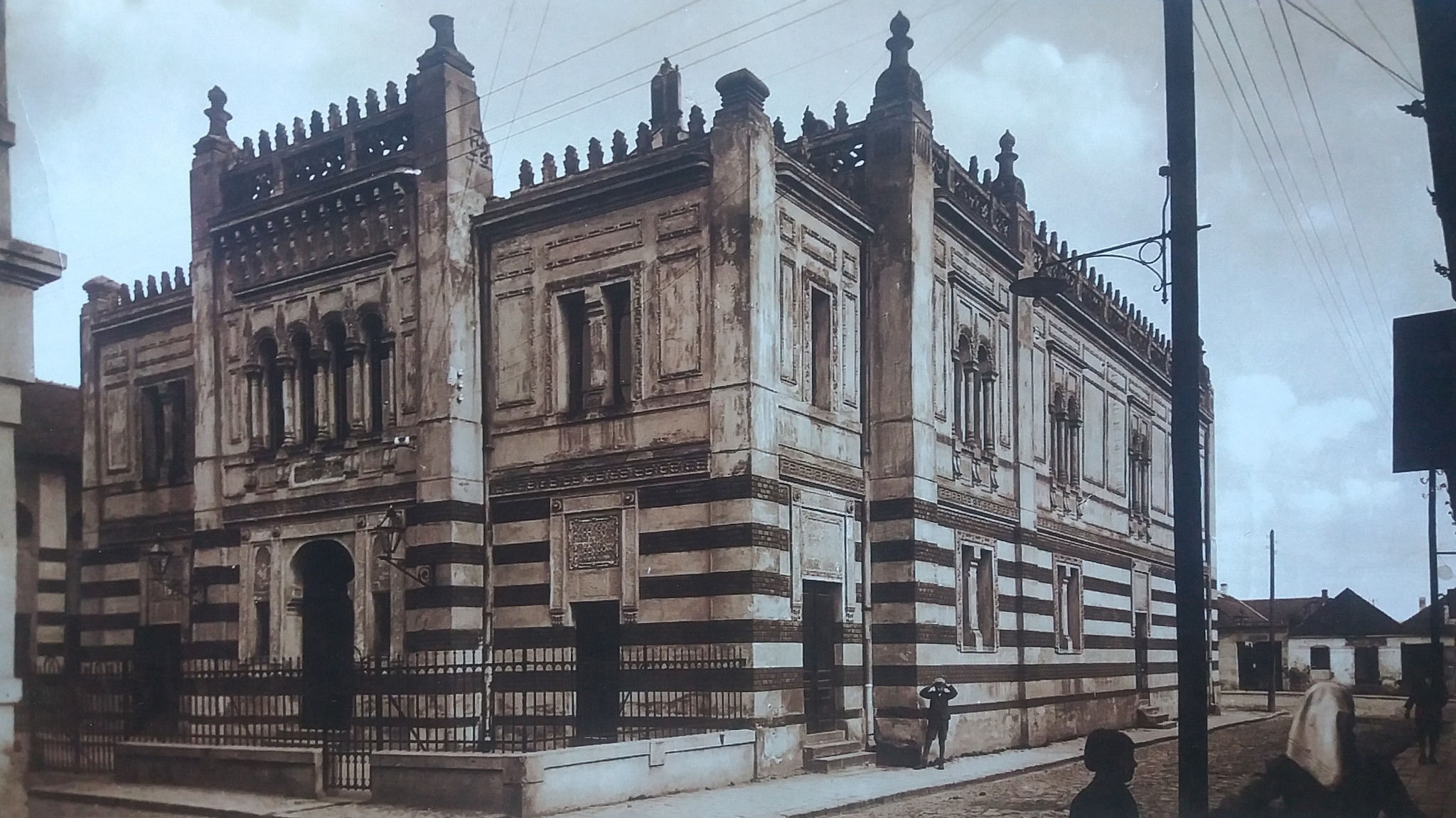
The Topoľčany pogrom took place on 24 September 1945, as Jewish survivors returned home after deportation and hiding. Postwar Slovakia was marked by economic hardship, unresolved restitution of Jewish property, and entrenched antisemitic attitudes that had outlived both the wartime Slovak State and Nazi defeat. Violence was sparked by false rumours that Jewish doctors were poisoning children during vaccinations and that Jewish teachers sought to reclaim a Catholic school. Mobilised by these claims, crowds attacked Jewish homes, shops, and institutions, injuring about 47 people. Local police failed to act, and order was restored only after military intervention. The incident reflected broader postwar unrest in Central Europe and exposed the continuity of antisemitism even after the Holocaust.
„Anti-Jewish violence in post-war Slovakia, in particular the pogrom in Topoľčany in September 1945, has by now been quite well researched by scholars. Several have considered the course and the scope of the violence against Jews in liberated Slovakia…“
Now or Never: Post-war Anti-Jewish Violence and Majority Society in Slovakia
Soudobé dějiny (Czech Journal of Contemporary History), Vol. 23, No. 3, 2016, pp. 321-346
Further Reading / Sources
Ivan Kamenec – “The Topoľčany Pogrom”
Scholarly analysis of causes, course, and consequences of the pogrom
Pogrom v Bratislave v dňoch 20. a 21. augusta 1948
IVICA ŠTELMACHOVIČ BUMOVÁ, Katedra porovnávacej religionistiky FiF UK v Bratislave
Nation’s Memory Institute (UPN) – Postwar Public Order Files
Documentation on investigations and state responses to antisemitic violence