

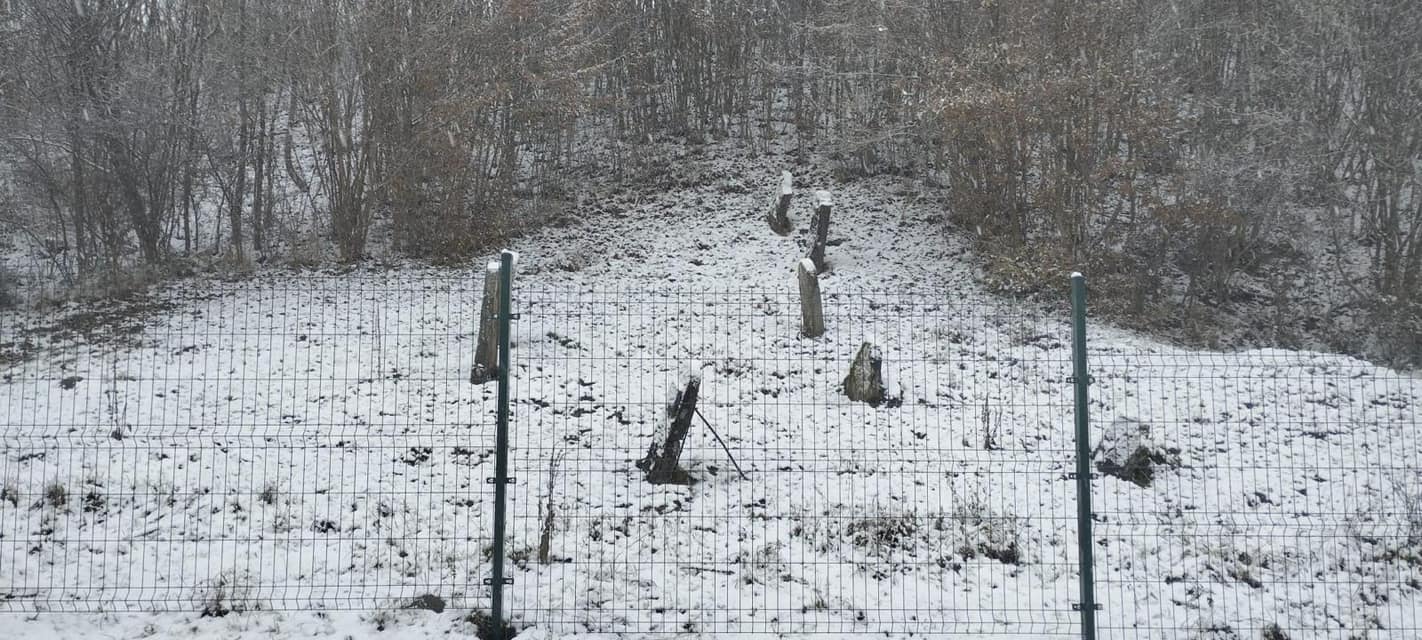
Violence after liberation
Although the Topoľčany pogrom is the best-known postwar antisemitic incident in Slovakia, it was not unique. In late 1945, Jewish survivors returning to eastern Slovak villages such as Nová Sedlica, Snina, and Kolbasov faced hostility, assaults, and murders driven by antisemitic resentment, fears over property restitution, and lingering wartime animosities. These attacks unfolded amid weak law enforcement, social instability, and tolerance of antisemitic stereotypes. Perpetrators were often local residents, and investigations were slow or ineffective, leaving many cases without accountability. The persistence of such violence shows that liberation did not erase antisemitic attitudes; instead, postwar antisemitism emerged through localised attacks and the failure of state institutions to protect and deliver justice to survivors.
„The bloodiest case of post-war violence in the Snina district was the incident in Kolbasovo, where in December 1945 armed groups shot several Jews, their victims being returning Jews.“
Pamäť národa
Ústav pamäti národa