

An act of hate against the legacy of moral resistance
On the night of March 21–22, 2000, unknown perpetrators defaced the home of Marek Edelman—last surviving commander of the Warsaw Ghetto Uprising—with antisemitic and neo-Nazi graffiti. The attackers painted a swastika, a Celtic cross, the slogan “Jude Raus,” and the signature “NOP” (National Rebirth of Poland). The desecration occurred just hours after the conclusion of the nationwide “Colorful Tolerance” campaign, which had invited citizens to paint over hate symbols across Polish cities. The incident sent shockwaves through Polish society.
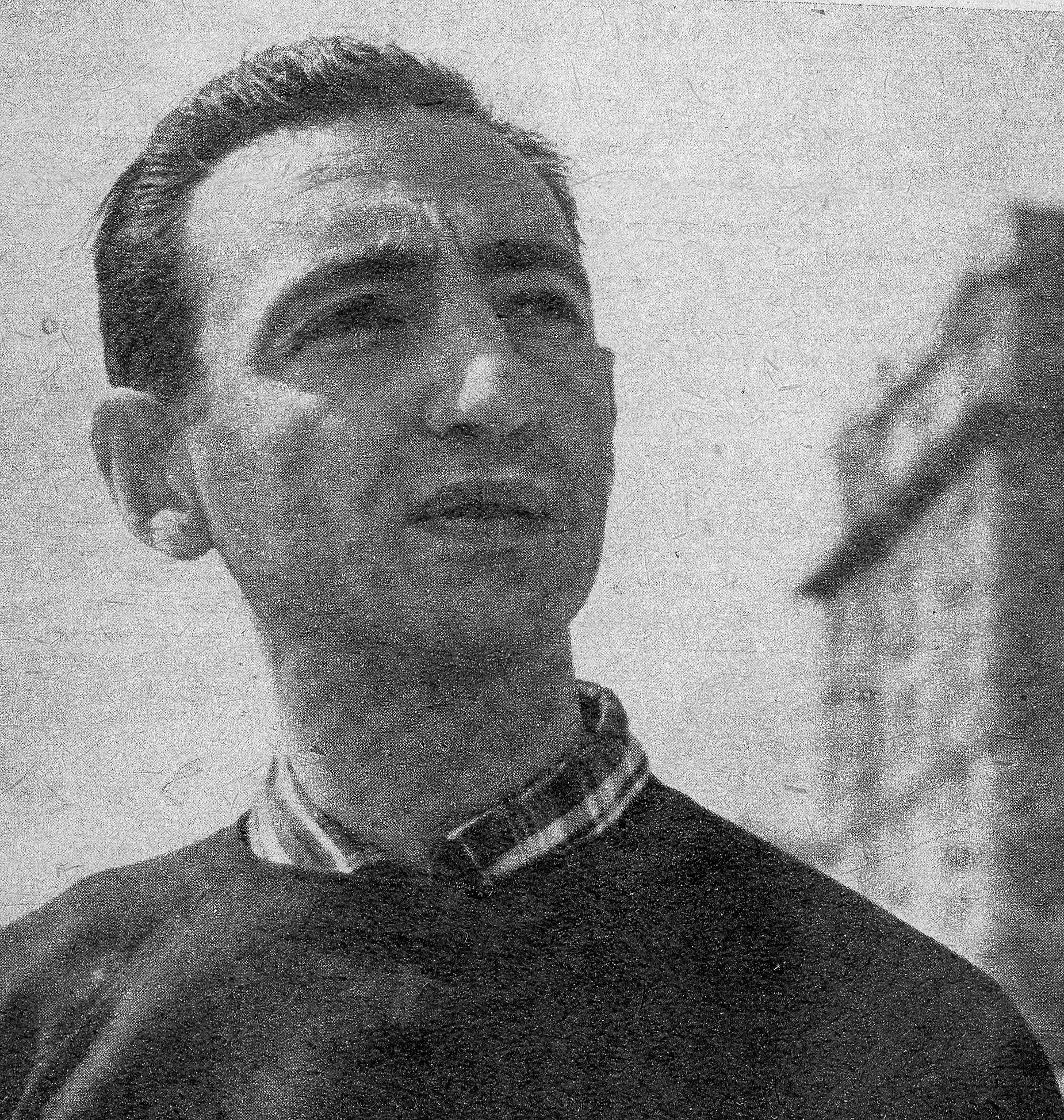

Targeting memory, tolerance, and the moral legacy of resistance
Marek Edelman (1919–2009) was a physician, social activist, and one of Poland’s most revered moral authorities. As a leader of the Jewish Combat Organization (ŻOB) during the Warsaw Ghetto Uprising, he became a lasting symbol of defiance against tyranny. After the war, Edelman remained in Poland, rejecting exile and dedicating his life to human rights, solidarity, and dialogue between communities.
The defacement of his home was not only an antisemitic attack but also a symbolic assault on the ideals of tolerance and civic courage he embodied. It revealed the persistence of far-right extremism in democratic Poland and the fragility of post-1989 efforts to confront hatred through education and civic action. The investigation was closed on August 3, 2000, after the perpetrators remained unidentified—an outcome that deepened public unease about impunity for hate crimes.
Further Reading / Sources
Brunatna Księga 1987–2009
Marcin Kornak, Warszawa: Stowarzyszenie „Nigdy Więcej” – 2009
“Vandals Desecrate Marek Edelman’s Home.”
Gazeta Wyborcza Archives – March 2000