

The blood libel that Led TO DEATH
On July 4, 1946, a violent pogrom erupted in Kielce, where local civilians, soldiers of the Polish Army, militiamen, and officers of the Internal Security Corps brutally murdered Holocaust survivors who had returned home after the war. Sparked by a false rumor of ritual child murder, the violence left 42 people dead and dozens wounded.
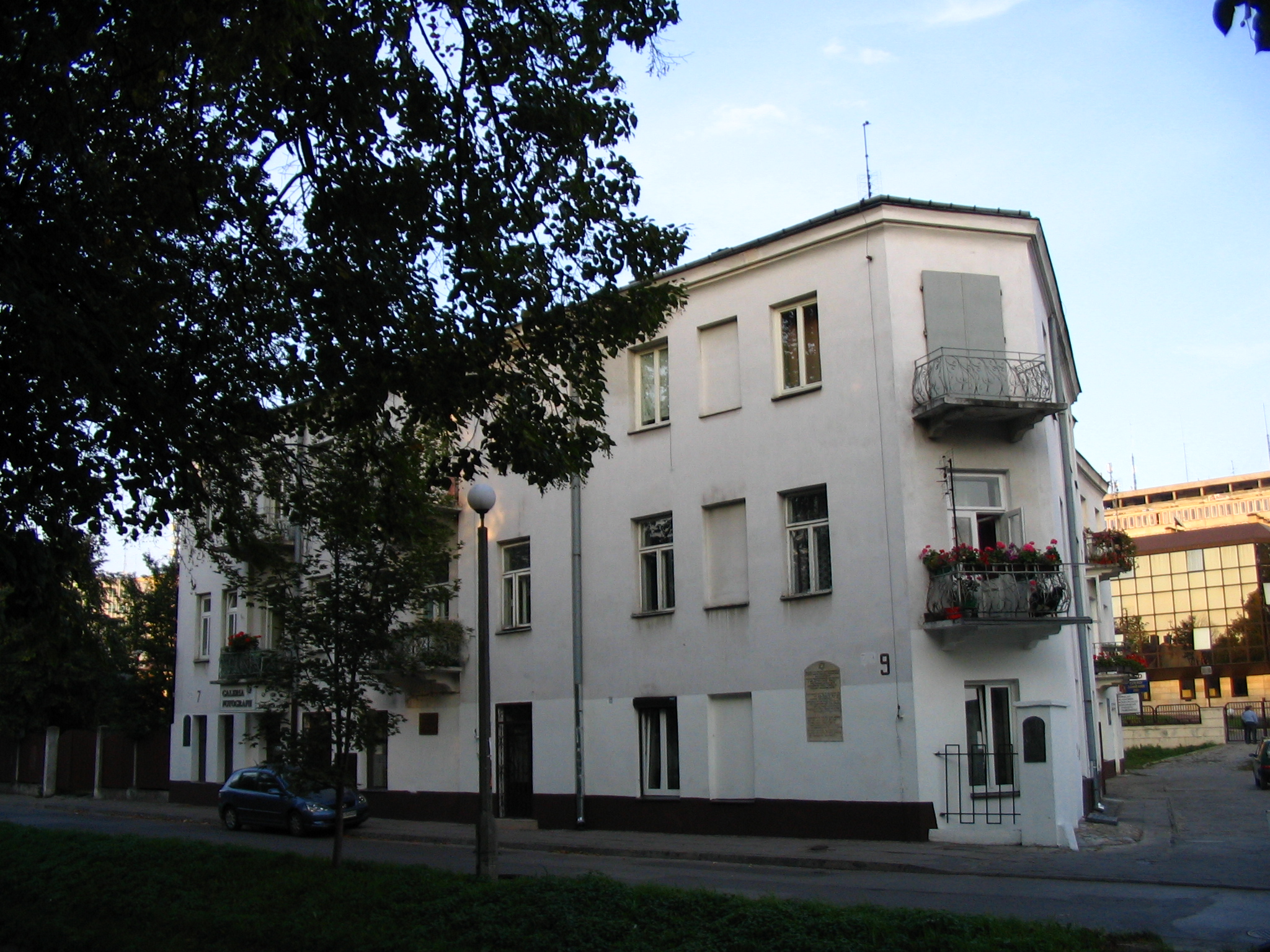

Rumor, hatred, and the complicity of the state
The violence began after the disappearance of an eight-year-old Polish boy, who later returned unharmed. Upon questioning, he falsely claimed that Jews from 7 Planty Street had kidnapped him. The rumor spread rapidly, drawing an angry crowd and prompting an armed response from the militia, army, and security services. Instead of restoring order, state forces joined the attackers. Jews were beaten, shot, and thrown from windows; some were executed in cold blood.
The pogrom exposed the persistence of antisemitic myths—particularly the medieval “blood libel”—and the entanglement of antisemitism with postwar political instability. Despite the war’s devastation, old hatreds were reawakened, now combined with fears of Jewish influence under the new communist regime. The involvement of preparators, many with prewar ties to the ONR and NSZ, reflected deep-seated ideological continuity. The Kielce pogrom horrified the world and triggered mass Jewish emigration,
“It is enough to say that both the deputy commander of the Voivodeship Headquarters of the Citizens’ Militia, Roman Olszański-Przybyłowski, and the personnel officer of that headquarters, Stefan Latosiński, turned out to be undisclosed members of the NSZ… Stefan Sędek, a lawyer and prewar ONR activist in Kielce, who dispatched the first patrol to Planty 7… the pogrom was, to a large extent, their doing.”
Joanna Tokarska-Bakir