

The state-led campaign that forced Poland’s Jews into exile
On March 19, 1968, Władysław Gomułka, First Secretary of the Central Committee of the Polish United Workers’ Party, delivered a two-hour speech before party activists at Warsaw’s Congress Hall. Broadcast nationwide on radio and television, his address accused “Zionists” and intellectuals of disloyalty to the Polish state. Coming amid student protests and political unrest, the speech sanctioned the public start of an antisemitic purge that reshaped Polish society.
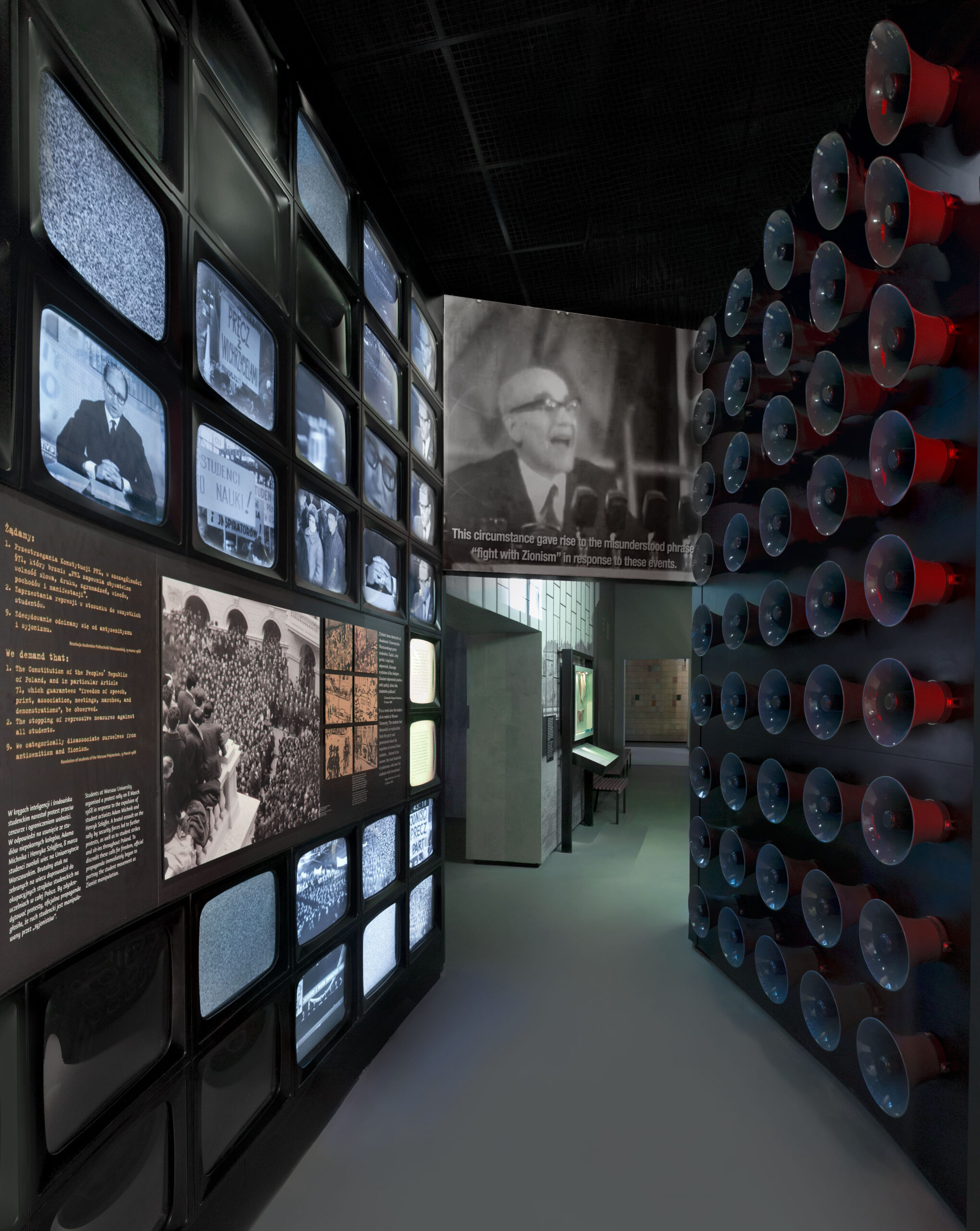

From political repression to national exclusion
The 1968 campaign emerged in the wake of the Six-Day War, when Poland severed diplomatic ties with Israel. Exploiting the geopolitical climate, the regime equated Jews with Zionist sympathisers and “enemies of socialism.” Gomułka’s speech crystallised this narrative: “Are there Jewish nationalists in Poland, adherents of Zionist ideology? Certainly, yes,” he declared to applause. He mixed antisemitic insinuations with denunciations of intellectuals and students—naming figures such as Kazimierz Dejmek, Stefan Kisielewski, Paweł Jasienica, and Antoni Słonimski—as alleged instigators of unrest.
The rhetoric unleashed a state-sanctioned witch hunt. Thousands of citizens of Jewish origin were dismissed from universities, the army, and state institutions. Between 13,000 and 20,000 people were forced to emigrate under pressure, stripped of jobs, homes, and citizenship. Many left Poland with one-way travel documents, often leaving behind family graves and personal possessions. The March campaign, orchestrated under the guise of “anti-Zionism,” became one of the darkest episodes of the communist era, severing centuries of Jewish presence in Poland.
“I left Poland because it was the only country in which I could not be a Pole.”
Unknown emigrant quoted at POLIN Museum, 2018