Center for Community Organizing (CKO) offers a community-based perspective on Roma history, local memory, and antigypsyism in Slovakia. Its work highlights the importance of documenting overlooked stories, recognising lived experiences, and understanding how historical exclusion continues to shape present-day discrimination.
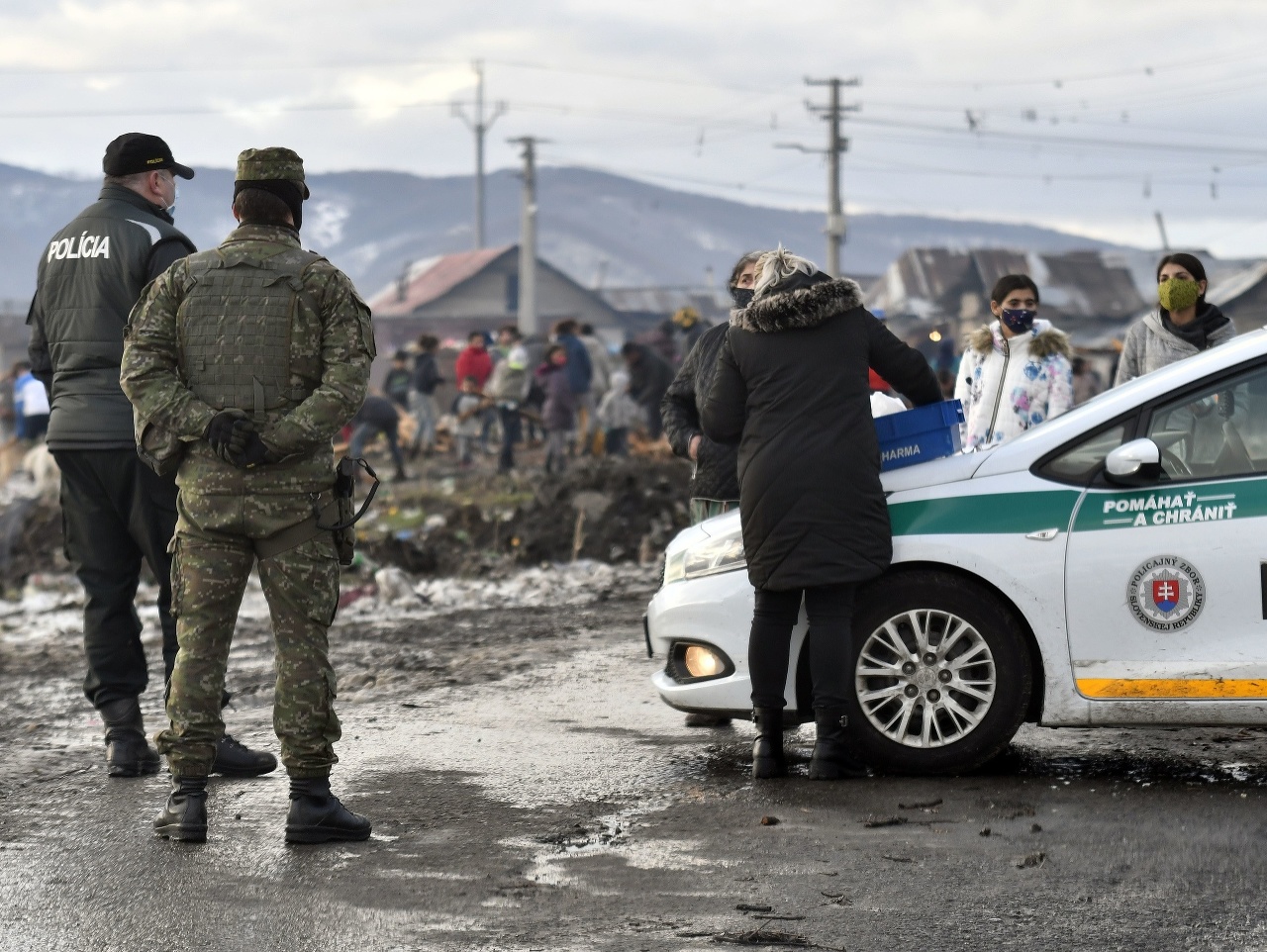
Contemporary antigypsyism in Slovakia is expressed not only through isolated acts of violence but also through systemic exclusion across education, policing, housing, and public policy. Despite legal protections and policy frameworks, structural inequalities persist, particularly in segregated schooling, limited access to justice, and discriminatory practices in public administration. European and international bodies have repeatedly highlighted these issues, noting that a significant proportion of Roma pupils are educated in segregated environments and that institutional responses to discrimination and violence remain inconsistent. Episodes such as police interventions in Roma communities, the use of emergency measures during the COVID-19 pandemic, and spatial segregation through local infrastructure reflect how antigypsyism can be embedded in governance practices, reinforcing stigma and exclusion rather than promoting inclusion.
Control, Exclusion, and Post-War Assimilation
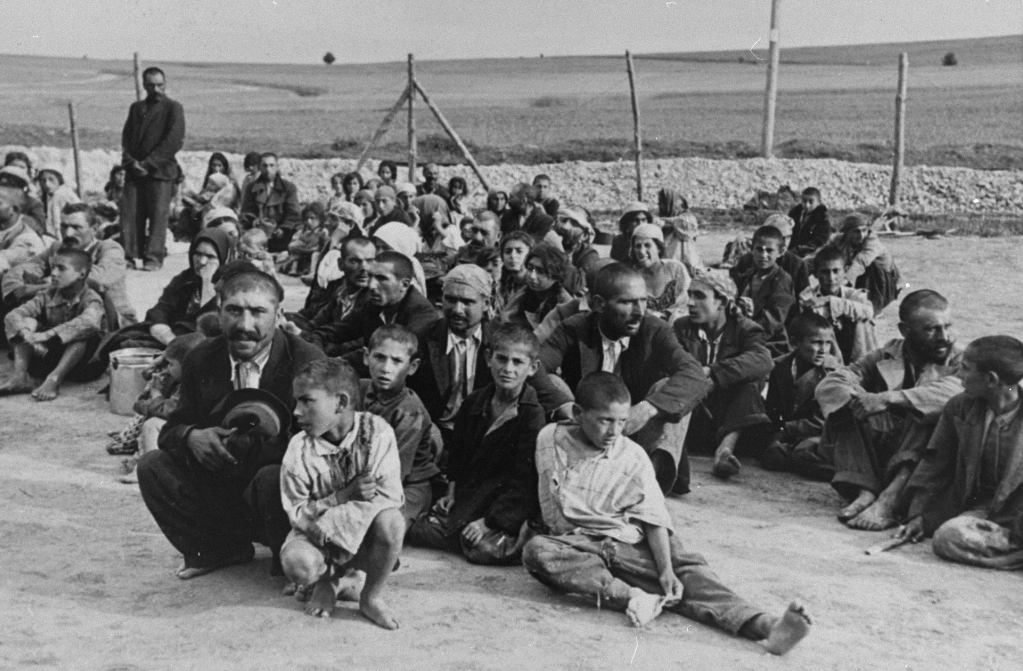
During the wartime Slovak State (1939–1945), allied with Nazi Germany, Roma communities were subjected to escalating systems of control, including restrictions on movement, forced settlement in segregated areas, and assignment to labour units. While persecution initially centred on policing and forced labour, violence intensified significantly after the suppression of the Slovak National Uprising in 1944, when units such as the Hlinka Guard Emergency Divisions and German Einsatzkommandos carried out mass executions of civilians, including Roma, in locations such as Kremnička and Nemecká. Additional killings, reprisals, and the operation of detention and labour camps—such as the one at Dubnica nad Váhom—formed part of a broader pattern of persecution that left deep but under-recognised scars in Slovak society.
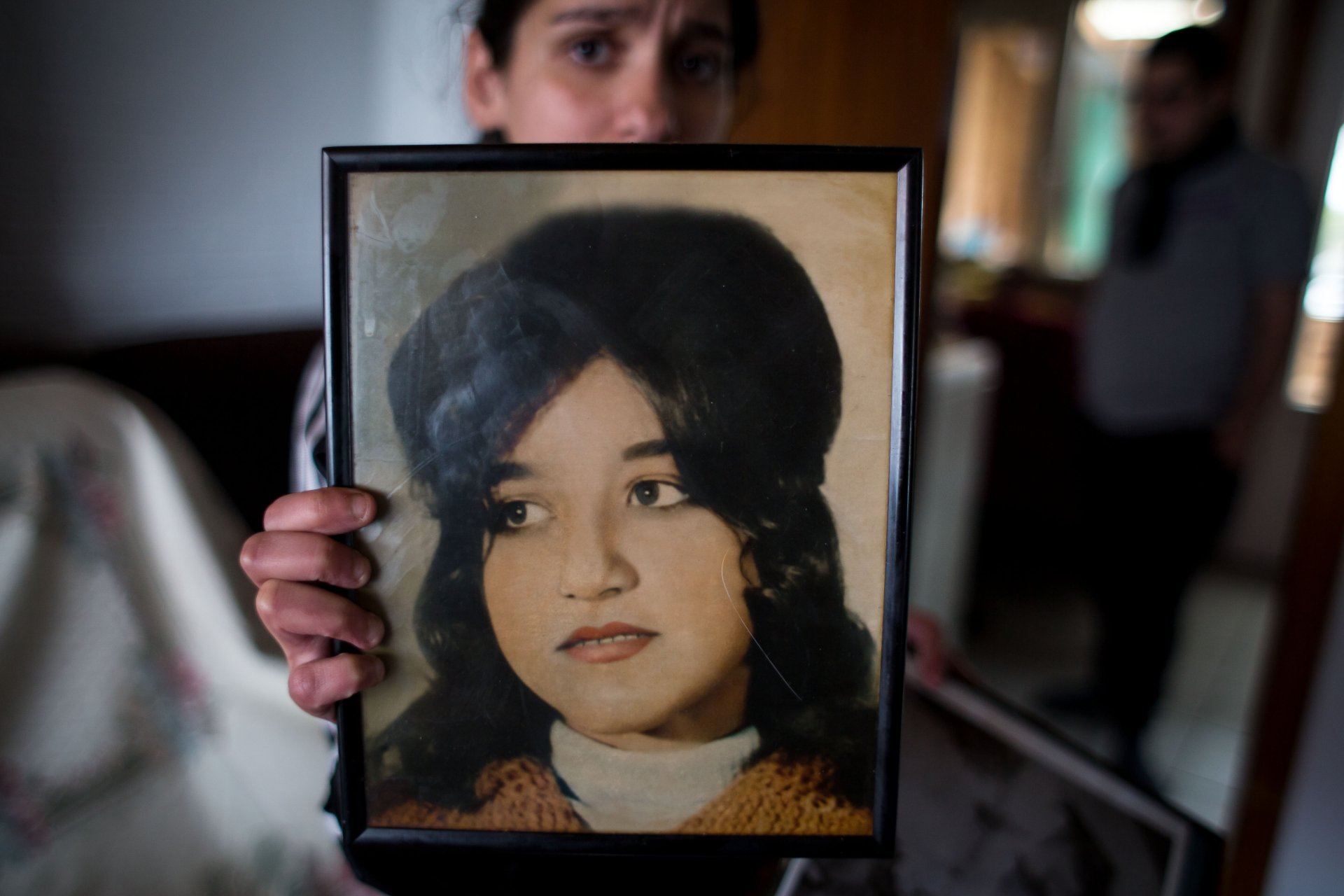
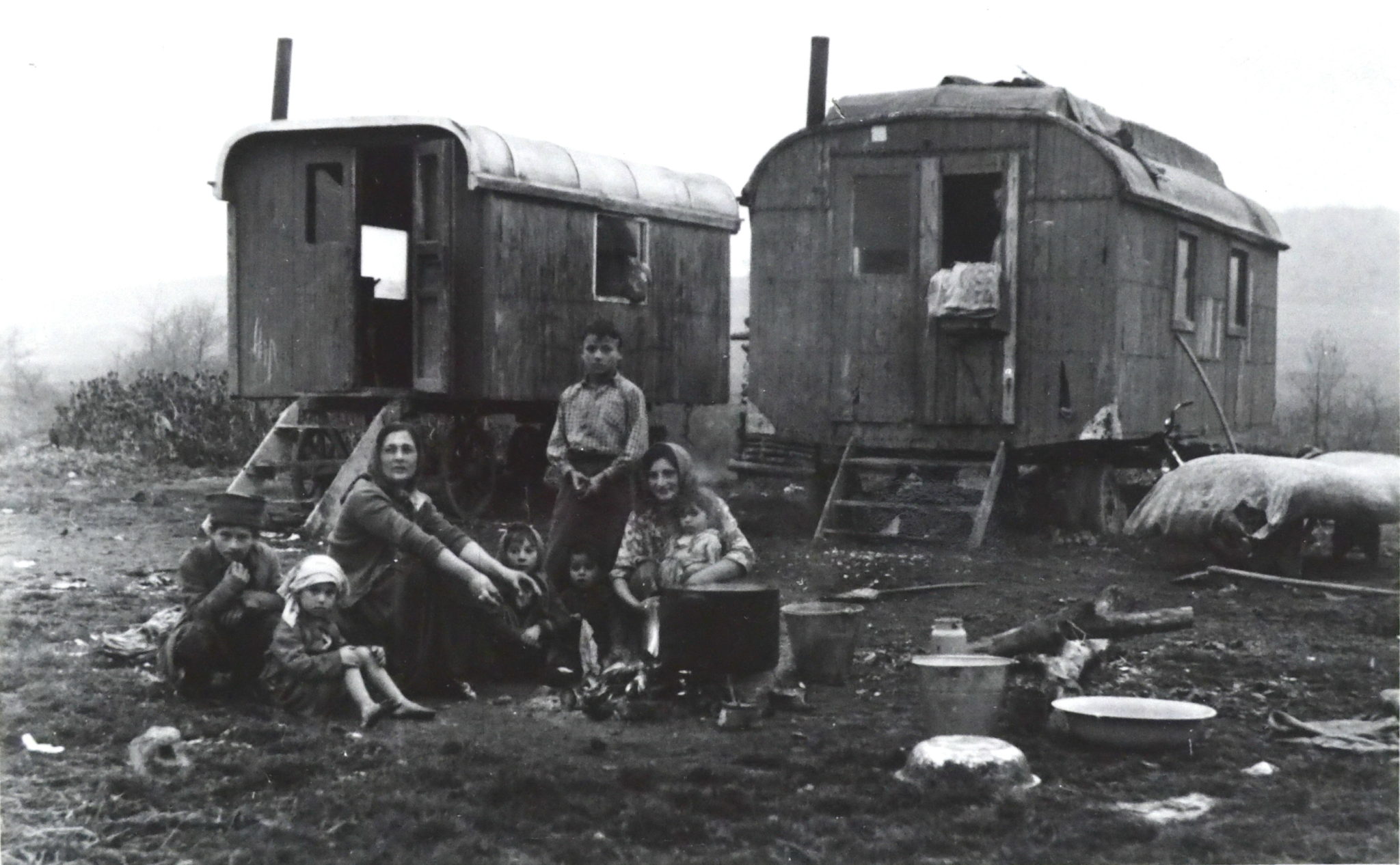
After 1945, overt persecution gave way to state-led assimilation and systemic marginalisation. Communist authorities introduced policies such as the 1958 Law on the Permanent Settlement of Itinerant Persons, effectively banning nomadic life and targeting Roma communities through forced settlement, registration, and restrictions on movement. Assimilationist approaches framed Roma as a “social problem,” combining social engineering with surveillance, dispersal into segregated housing, and concentration in low-paid labour, while state narratives reinforced antigypsyist stereotypes. Practices such as the forced or coerced sterilisation of Roma women—documented from the late 1960s to the early 2000s and later addressed in cases such as V.C. v. Slovakia—illustrate the depth of institutional control and the persistence of harm, often without adequate redress.
Democratic Transition and Structural Inequality
Following the democratic transition after 1989, Roma communities faced a combination of renewed hostility and deepening socio-economic exclusion, as economic restructuring disproportionately affected already marginalised settlements. School segregation remained widespread in practice, while public discourse often framed anti-Roma mobilisation in terms of “security” and “public order.” Violent incidents—including attacks by skinhead groups in the 1990s and later cases such as the 2012 Hurbanovo shooting—highlighted the ongoing risks of racially motivated violence and raised concerns about the recognition and prosecution of hate crimes.
At the same time, structural antigypsyism has persisted through governance, policing, and social policy. Cases such as the 2013 police raid in Moldava nad Bodvou, municipal exclusion practices, segregation walls, and militarised public health measures have reinforced patterns of spatial and social separation. International bodies, including UN CERD and European institutions, have repeatedly criticised shortcomings in addressing discrimination, particularly in education and access to justice. Although Slovakia has adopted strategic frameworks for Roma inclusion, including the Strategy of Equality, Inclusion and Participation of Roma until 2030, implementation remains uneven. Ongoing efforts by civil society, activists, and local initiatives demonstrate potential for progress, but the persistence of poverty, segregation, and prejudice underscores the need to confront antigypsyism as a continuous structural phenomenon linking historical persecution with present-day inequality.