Antigypsyism
in Slovakia

The Roma are among the oldest and most marginalised ethnic minorities in Slovakia. While the 2021 census recorded 67,179 Roma (about 1.2% of the population), independent estimates place the community much higher—around 400,000 people or roughly 8–11%. In parts of public life and public discourse, Roma communities are often portrayed through enduring stereotypes of “dependency” or “criminality,” and these narratives continue to shape attitudes, policy choices, and access to rights. International monitors and civil society repeatedly document systemic barriers across housing, employment, health, and especially education, where segregation and misplacement into “special” schooling remain widespread. Despite EU membership and decades of national strategies, critics argue that antigypsyism remains embedded in approaches to managing certain ‘social problems,’ rather than being addressed primarily as structural discrimination.

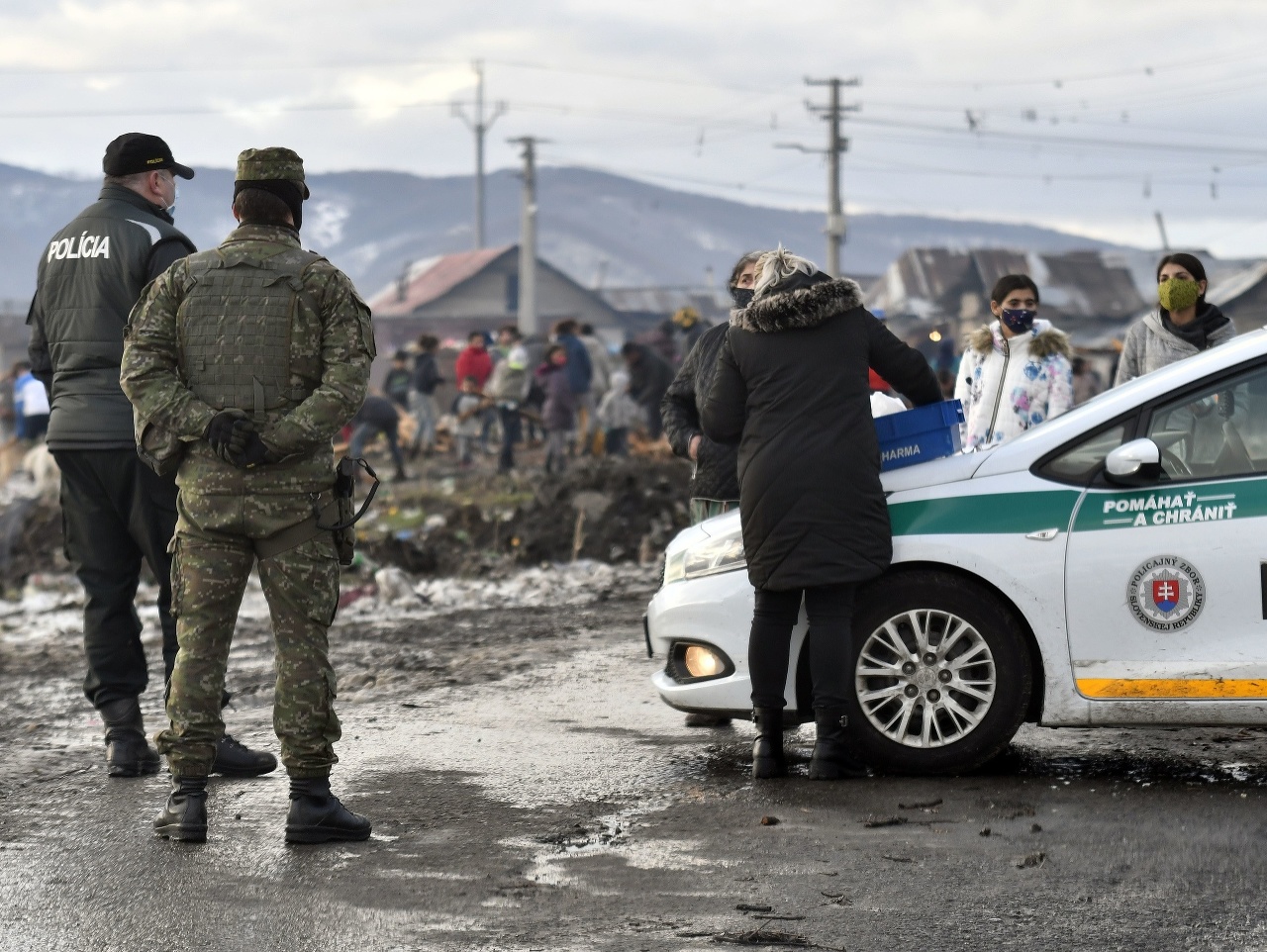
Contemporary antigypsyism in Slovakia is expressed not only through isolated acts of violence but also through systemic exclusion across education, policing, housing, and public policy. Despite legal protections and policy frameworks, structural inequalities persist, particularly in segregated schooling, limited access to justice, and discriminatory practices in public administration. European and international bodies have repeatedly highlighted these issues, noting that a significant proportion of Roma pupils are educated in segregated environments and that institutional responses to discrimination and violence remain inconsistent. Episodes such as police interventions in Roma communities, the use of emergency measures during the COVID-19 pandemic, and spatial segregation through local infrastructure reflect how antigypsyism can be embedded in governance practices, reinforcing stigma and exclusion rather than promoting inclusion.

Control, Exclusion, and Post-War Assimilation

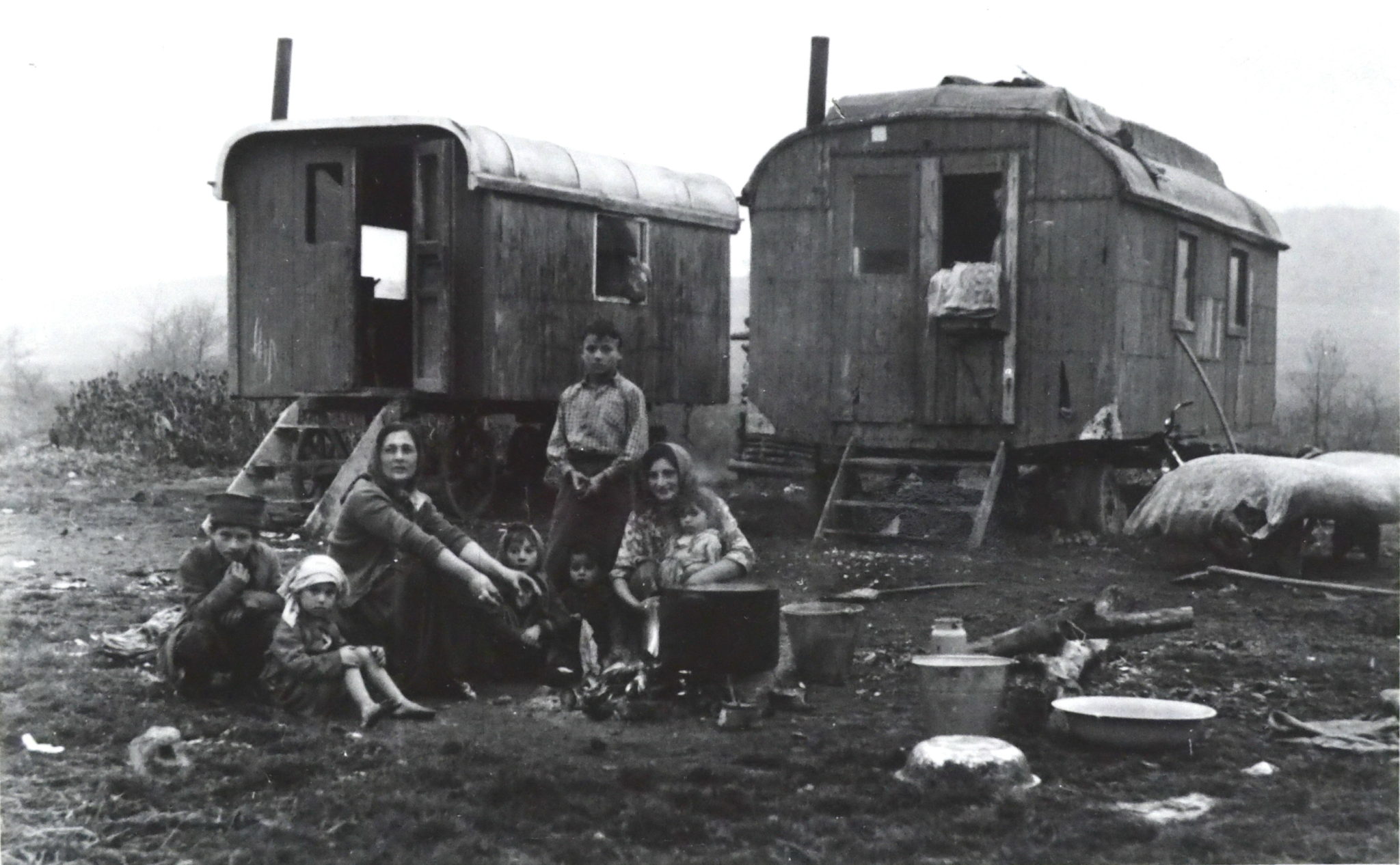
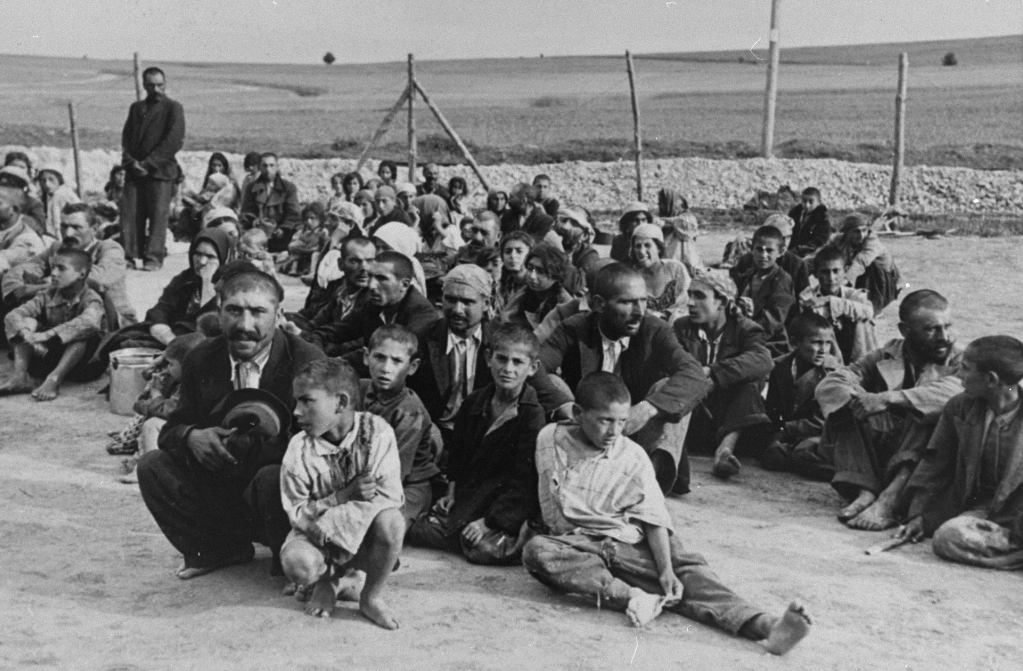
During the wartime Slovak State (1939–1945), allied with Nazi Germany, Roma communities were subjected to escalating systems of control, including restrictions on movement, forced settlement in segregated areas, and assignment to labour units. While persecution initially centred on policing and forced labour, violence intensified significantly after the suppression of the Slovak National Uprising in 1944, when units such as the Hlinka Guard Emergency Divisions and German Einsatzkommandos carried out mass executions of civilians, including Roma, in locations such as Kremnička and Nemecká. Additional killings, reprisals, and the operation of detention and labour camps—such as the one at Dubnica nad Váhom—formed part of a broader pattern of persecution that left deep but under-recognised scars in Slovak society.

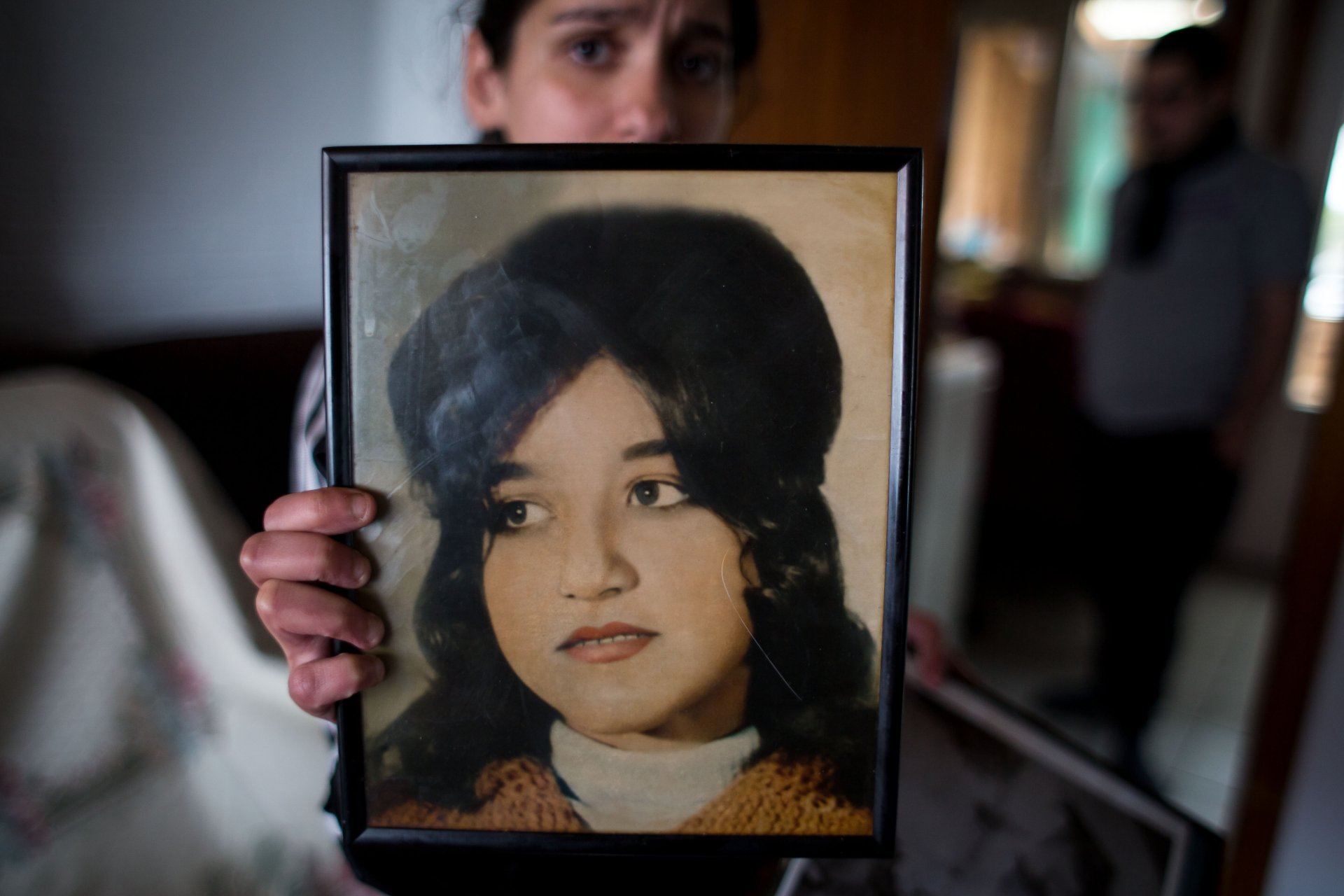
After 1945, overt persecution gave way to state-led assimilation and systemic marginalisation. Communist authorities introduced policies such as the 1958 Law on the Permanent Settlement of Itinerant Persons, effectively banning nomadic life and targeting Roma communities through forced settlement, registration, and restrictions on movement. Assimilationist approaches framed Roma as a “social problem,” combining social engineering with surveillance, dispersal into segregated housing, and concentration in low-paid labour, while state narratives reinforced antigypsyist stereotypes. Practices such as the forced or coerced sterilisation of Roma women—documented from the late 1960s to the early 2000s and later addressed in cases such as V.C. v. Slovakia—illustrate the depth of institutional control and the persistence of harm, often without adequate redress.

Democratic Transition and Structural Inequality

Following the democratic transition after 1989, Roma communities faced a combination of renewed hostility and deepening socio-economic exclusion, as economic restructuring disproportionately affected already marginalised settlements. School segregation remained widespread in practice, while public discourse often framed anti-Roma mobilisation in terms of “security” and “public order.” Violent incidents—including attacks by skinhead groups in the 1990s and later cases such as the 2012 Hurbanovo shooting—highlighted the ongoing risks of racially motivated violence and raised concerns about the recognition and prosecution of hate crimes.

At the same time, structural antigypsyism has persisted through governance, policing, and social policy. Cases such as the 2013 police raid in Moldava nad Bodvou, municipal exclusion practices, segregation walls, and militarised public health measures have reinforced patterns of spatial and social separation. International bodies, including UN CERD and European institutions, have repeatedly criticised shortcomings in addressing discrimination, particularly in education and access to justice. Although Slovakia has adopted strategic frameworks for Roma inclusion, including the Strategy of Equality, Inclusion and Participation of Roma until 2030, implementation remains uneven. Ongoing efforts by civil society, activists, and local initiatives demonstrate potential for progress, but the persistence of poverty, segregation, and prejudice underscores the need to confront antigypsyism as a continuous structural phenomenon linking historical persecution with present-day inequality.
EXPLORE THE HISTORY OF Antigypsyism IN Slovakia

2004 – 2024

EU ACCESSION & MEMBERSHIP

Across 2005–2024, antigypsyism in Slovakia remained visible across governance, policing, housing, and public discourse, despite EU accession and repeated international scrutiny. While national Roma inclusion strategies were adopted under external pressure, implementation remained limited, local authorities continued to be associated with segregation through housing policies, evictions, and spatial barriers such as segregation walls. Police violence—most notably the 2013 Moldava nad Bodvou raid—and the routine criminalisation of Roma communities raised serious concerns about institutional racism, later addressed in judgments of the European Court of Human Rights and in findings by UN monitoring bodies.

From the mid-2010s onward, anti-Roma rhetoric and issues related to antigypsyism became increasingly prominent in political discourse. The electoral rise of far-right actors contributed to the wider circulation of openly dehumanising rhetoric, including proposals for forced labour camps and collective punishment. During the COVID-19 pandemic, Roma settlements were subjected to militarised quarantines and racialised media coverage, often portraying Roma as biological and social threats. Segregation in education and housing remained widespread into the 2020s, while online spaces amplified disinformation and hate with limited regulation. At the same time, Roma activists and civil society initiatives increasingly challenged exclusion through grassroots mobilisation, litigation, and international advocacy: highlighting the gap between formal equality and the lived experience of many Roma in contemporary Slovakia.

1989 – 2004

DEMOCRATISATION & TRANSITION

Following the collapse of state socialism, antigypsyism in Slovakia intensified amid economic restructuring, nation-building, and weak minority protections. Roma communities were disproportionately affected by unemployment, housing precarity, and the withdrawal of social safeguards, while political discourse increasingly framed Roma as welfare abusers, security threats, or obstacles to national cohesion. School segregation expanded rapidly, with Roma children systematically placed in special education, institutionalising long-term exclusion under the guise of neutrality and assessment.

Throughout the 1990s, police violence, forced evictions, and racially motivated attacks by emerging skinhead and neo-Nazi groups generated widespread insecurity. Authorities frequently failed to classify violence as racially motivated, reinforcing impunity. At the same time, Roma women’s testimonies of forced sterilisation raised serious concerns about coercive reproductive practices within public institutions, drawing international condemnation. Although Roma civic initiatives and cultural mobilisation gained visibility toward EU accession, antigypsyism remained visible in everyday governance and public attitudes, suggesting that democratic transition did not fully dismantle earlier forms of racialised exclusion.

1945 – 1989

AUTHORITARIANISM & SURVEILLANCE

In socialist Czechoslovakia, antigypsyism in Slovakia was institutionalised through assimilationist ideology, surveillance, and coercive social engineering. Roma were denied recognition as a national minority and instead labelled a “socially backward stratum,” justifying policies that criminalised nomadism, dismantled cultural life, and enforced forced settlement and labour. State surveillance treated Roma communities as security risks, while media stereotypes portrayed them as lazy, criminal, or resistant to progress.

Education and housing policies entrenched segregation, with Roma children overwhelmingly placed in special schools and families relocated to peripheral settlements lacking infrastructure. Employment discrimination confined Roma workers to the most precarious jobs, while cultural expression was permitted only in tightly controlled, depoliticised forms. Coercive sterilisation of Roma women and the systematic silencing of Roma intellectuals exposed the racial logic underpinning socialist governance. By the late 1980s, antigypsyism had become a structural feature of state practice and social life, laying the groundwork for the violence and exclusion of the transition period.

1939 – 1945

WAR & GENOCIDE

During the wartime Slovak State, antigypsyism evolved from long-standing prejudice into systematic racial persecution embedded in law, administration, and daily governance. Influenced by Nazi ideology, Slovak authorities introduced measures restricting Roma movement, employment, education, and access to public space, while enforcing forced registration, racial classification, and visible identification. Roma communities were confined to segregated settlements, excluded from economic life, and subjected to forced labour through camps such as those at Dubnica nad Váhom, linking administrative control to physical coercion and exploitation.

From 1942 onward, persecution escalated into direct violence and mass repression. Roma were expelled from cities, targeted in anti-partisan operations, and subjected to executions, deportations, and the destruction of entire communities, particularly following the suppression of the Slovak National Uprising in 1944. Mass killings at sites such as Kremnička and Dubnica nad Váhom, alongside deportations to Auschwitz-Birkenau and other camps, formed part of the broader Porajmos. Although less systematically bureaucratised than the genocide of Jews, the persecution of Roma resulted in widespread destruction and loss, leaving deep but long-marginalised scars in post-war Slovak society.

Photo: Archiwum Dokumentacji Mechanicznej, Source Record ID II 6191, Source: United States Holocaust Memorial Museum. Public domain.

Explore the Full History

Dive deeper into key moments that shaped antisemitism and antigypsyism in Slovakia.

View Slovakia’s Timeline

Explore another country