

An ambush on survivors seeking escape from postwar Poland
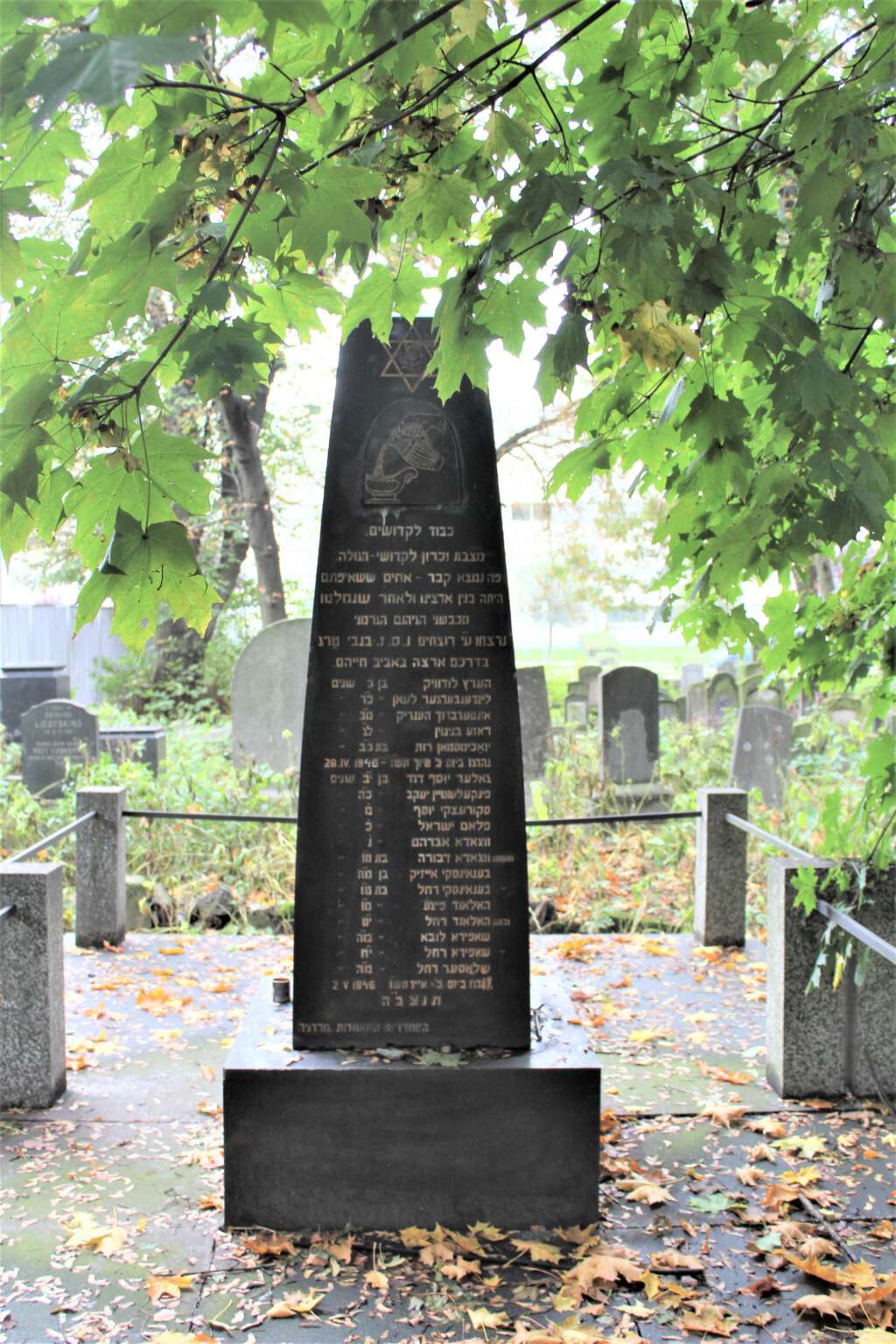
On the night of May 2–3, 1946, a group of twenty-six Jews travelling by truck toward the Czechoslovak border was stopped near Krościenko by armed partisans posing as soldiers. The attackers, led by the eighteen-year-old Jan Batkiewicz “Śmigły,” belonged to the anti-communist underground unit commanded by Józef Kuraś “Ogień.” The confrontation turned into a brutal massacre that left twelve people dead.
Postwar violence and the deadly legacy of antisemitiSM
The ambush began under the pretext of a routine identity check. Once the partisans realized that the passengers were Jewish, they robbed them of their money and valuables, then ordered them to stand in a line. Armed with automatic weapons, the attackers opened fire, killing eleven people instantly and wounding five others—one of whom later died. Among the dead were men, women, and children; those still breathing were finished off where they fell.
The massacre was both an act of robbery and of ideological hatred. The unit had previously circulated antisemitic leaflets urging the murder of Jews accused of collaborating with the communists. In a February 1946 communiqué, Kuraś himself had called for the “slaughter and hanging of Jewish scoundrels.” The Krościenko killings became a harrowing example of how violence and antisemitism persisted even after the Holocaust, targeting Jews who had survived only to be murdered while attempting to leave Poland.
“Lying on the ground, I heard them talking among themselves about my son: ‘That little one moans a lot, finish him off,’ and they shot him in the head a second time.”
Maria Galler
survivor