

An anti-communist raid that turned into an antisemitic assault
On February 5, 1946, the town of Parczew in Lublin Voivodeship was attacked by a partisan unit of the underground organization Freedom and Independence (WiN), commanded by brothers Leon and Edward Taraszkiewicz, known by their codenames “Żelazny” and “Jastrząb.” Around a hundred armed men surrounded the town and began shooting. Over several hours, they looted Jewish homes, targeted local authorities. Four people were killed in what became known as the Parczew pogrom.
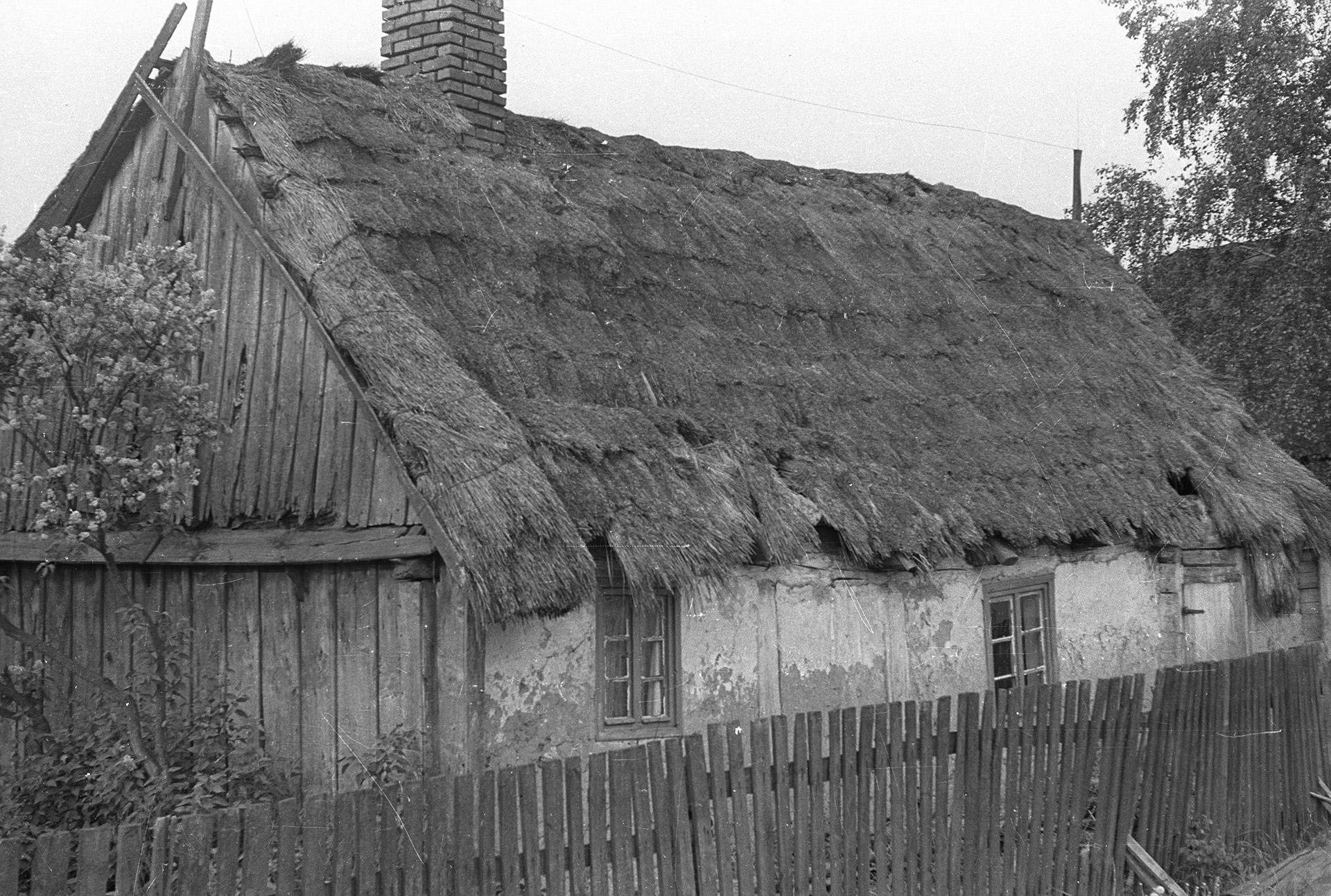
#/media/Plik:Cha%C5%82upa_o_konstrukcji_szkieletowej_-_Parczewo_-_002365n.jpg)
Postwar fear and the persistence of antisemitic violence
The assault in Parczew reflected the fraught postwar atmosphere, where anti-communist militias increasingly conflated Jews with the new regime. On the night of February 4–5, WiN fighters simultaneously attacked public institutions, including the post office and the cooperative “Rolnik,” stealing money and goods. A group of Jewish self-defense guards—established to protect survivors returning from hiding and camps—were tricked into an ambush and executed. Other Jews were dragged from their homes, beaten, and robbed.
Among those killed were Dawid Tempy, Mendel Turbiner, Abraham Zysman, and MO officer Wacław Rydzewski. The attack left the Jewish community in shock. Survivors went into hiding in attics and basements or fled the town entirely, fearing further violence. The pogrom became emblematic of the postwar hostility Jews faced when attempting to rebuild their lives in Poland.
“Jews are finishing their personal affairs and try to leave Parczew. They no longer spend the night in their own homes, hiding in attics and cellars.”
Provincial Committee of Polish Jews