

Defiance in the heart of Operation Reinhardt
The Treblinka uprising broke out on August 2, 1943, when Jewish prisoners rose against the Nazi guards in one of the extermination camps of the Holocaust. The revolt lasted around thirty minutes, aiming to destroy the camp and allow prisoners to escape. It was one of the few armed uprisings within the Nazi death machinery.

Escape and resistance amid certain death
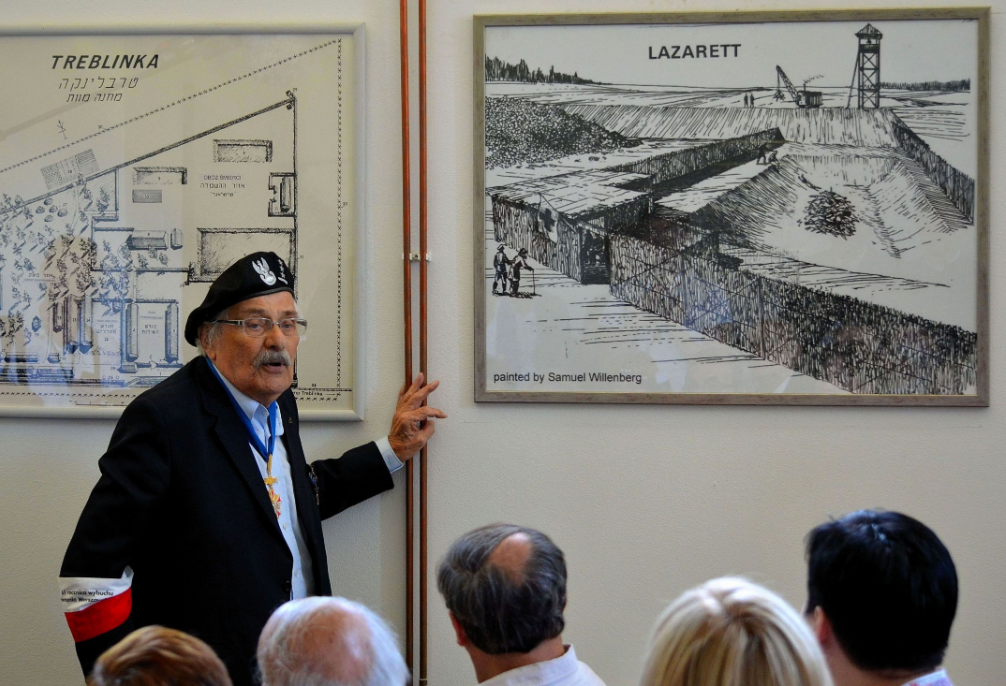
Treblinka II operated as part of Operation Reinhardt, designed to exterminate Jews from occupied Poland. By mid-1943, prisoners forced to sort victims’ belongings and burn bodies secretly organized a revolt. Using a stolen key to the German arsenal, they obtained weapons and prepared an escape plan. On the afternoon of August 2, with many SS guards absent, prisoners attacked, setting fire to barracks and storage facilities. Chaos spread as gunfire erupted and flames engulfed the camp. Out of approximately 840 prisoners, around 300 managed to escape through the fences, though most were later recaptured or killed.
The uprising crippled Treblinka’s operations; soon after, the Germans dismantled the camp, attempting to erase evidence of genocide. Few survivors lived to tell the story, but their defiance stands as a symbol of courage and dignity in the face of annihilation.
“The brave ones climbed up the wire structure and were hit by bullets. Their bodies got caught on the wires, blood splattering onto the ground. More prisoners climbed over the still-trembling bodies; they were also struck by bullets and fell. I crawled across the open ground and reached the barriers… The dead had formed something like a bridge over the barbed-wire structure, across which more escapees were running one after another. Beyond the barriers began the forest — salvation, freedom.”
Samuel Willenberg