

Reproductive coercion under assimilation policy
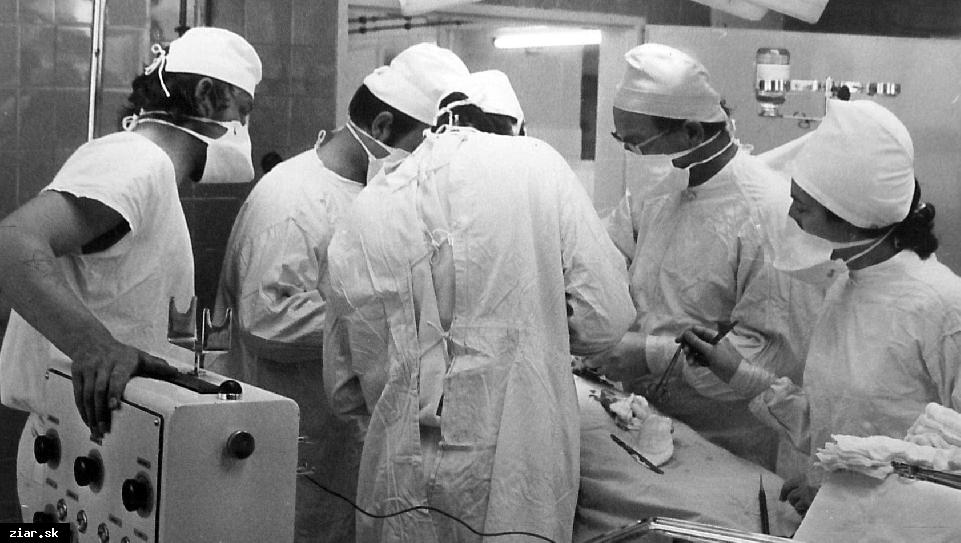
Czechoslovak social policy treated the birth rate of Roma women as a problem to be reduced. Financial incentives and pressure from medical or social-work personnel could compromise informed consent. On April 14, 1972, the Ministry of Health of the Slovak Socialist Republic issued a directive on the implementation of sterilization, which specified the wording of Section 27 of Act No. 20/1966 Coll., on the care of public health. This created a legal basis for the implementation of female sterilizations, which was, in reality, also used for involuntary and forced sterilizations of Romani women. In fact, these sterilizations had been carried out since the turn of the fifties and sixties. The legal norms did not contain explicit mentions of ethnicity or coercion, but in fact, some Romani women in particular were forced to undergo sterilization by pressure.
„From a legal perspective the unlawful nature of the sterilisations lies in the fact that consent, that was without error and fully free in the human rights sense, was not given to the interventions.“
Final Statement of the Czech Public Defender of Rights in the Matter of Sterilisations Performed in Contravention of the Law and Proposed Remedial Measures (2005)
Further Reading / Sources
Center for Reproductive Rights & Poradna – Body and Soul: Forced Sterilization and Other Assaults on Roma Reproductive Freedom in Slovakia
2003 field research in eastern Slovakia, documenting coerced sterilization after 1991
OSCE / ODIHR – Forced and Coercive Sterilization of Roma Women
2016 overview of cases in Czech Republic, Slovakia, Hungary and other countries; includes timeline and Ombudsman findings
Health and Human Rights Journal – “Intersectional Discrimination of Romani Women Forcibly Sterilized in the Former Czechoslovakia and Czech Republic”
Academic analysis of biopower, eugenic motivations, and activism 1967–present