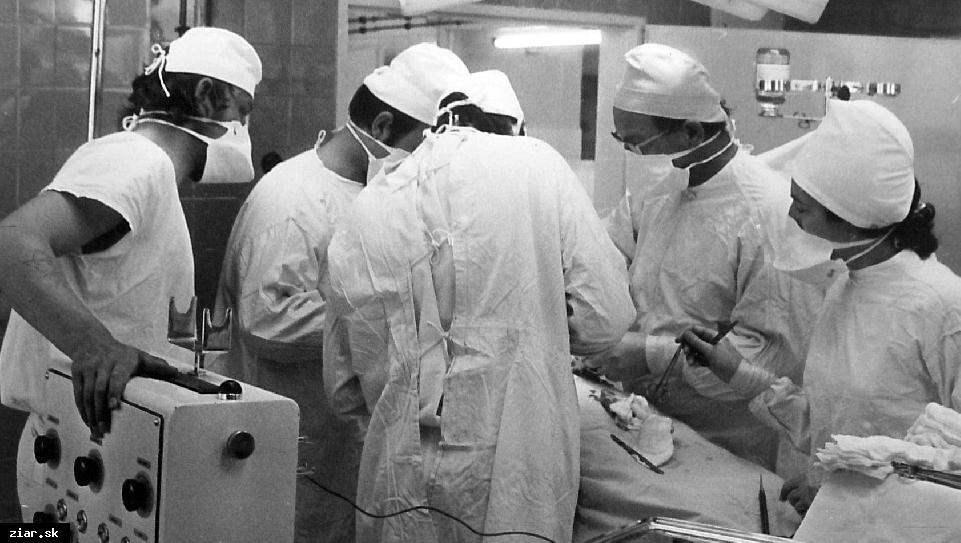
State-Controlled Reproductive Violence
Beginning in the late 1960s, Czechoslovak authorities introduced population‑control measures targeting Roma communities under the guise of social integration and public health. Roma women were disproportionately subjected to sterilization practices promoted by state institutions as a way to reduce what officials labeled “socially undesirable” reproduction. Procedures were often carried out without informed consent or under coercion, including threats of losing benefits, housing, or custody of children. Many women were pressured to sign consent forms during childbirth or medical emergencies, when genuine consent was impossible. Persisting into the late socialist period, these practices reflected entrenched antigypsyist assumptions and functioned as structural violence aimed at controlling Roma bodies and reproduction, leaving lasting physical and psychological harm. Evidence on coercive sterilization in Slovakia during the socialist period comes primarily from post-1989 investigations and survivor testimonies, which document that practices established under the federal Czechoslovak policy continued in Slovak hospitals.
„From the 1970s until 1990, the Czechoslovak Government sterilized Roma women programmatically as part of policies aimed at reducing their ‘high, unhealthy’ birth rate.“
Final Statement of the Public Defender of Rights in the Matter of Sterilizations Performed in Contravention of the Law and Proposed Remedial Measures
Public Defender of Rights (Ombudsman) of the Czech Republic, 2005, p. 6.
Further Reading / Sources
Center for Reproductive Rights & Poradna – Body and Soul: Forced Sterilization and Other Assaults on Roma Reproductive Freedom in Slovakia
2003 field research in eastern Slovakia, documenting coerced sterilization after 1991
OSCE / ODIHR – Forced and Coercive Sterilization of Roma Women
2016 overview of cases in Czech Republic, Slovakia, Hungary and other countries; includes timeline and Ombudsman findings
Health and Human Rights Journal – “Intersectional Discrimination of Romani Women Forcibly Sterilized in the Former Czechoslovakia and Czech Republic”
Academic analysis of biopower, eugenic motivations, and activism 1967–present