

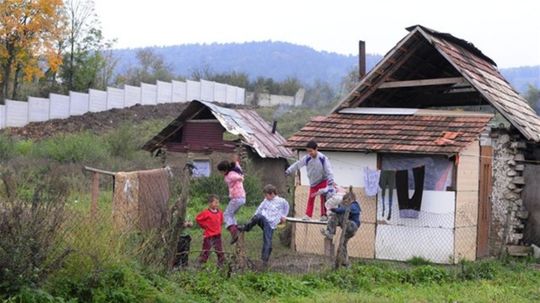
When segregation becomes architecture
The municipality built the wall along the line separating Roma housing from the majority population. Although officials presented it as a response to alleged public‑order concerns, the structure operated as a lasting ethnic barrier rather than a temporary safety measure. Human rights organisations and international observers described it as a clear example of racial segregation. The wall restricted movement, deepened social exclusion, and signalled that Roma residents were to be contained rather than integrated. Over time, it became a widely cited case in European discussions on antigypsyism, spatial segregation, and the misuse of local authority to legitimise discriminatory practices.
„I don’t care about them. Considering that they built houses on land that doesn’t belong to them, we tolerate them too much.“
Resident of the municipality („Viera“)
Quoted in BBC reporting on the Ostrovany segregation wall
Further Reading / Sources
Korzár / SME regional – “Obec zaplatila plot. V rómskej osade sú ako v zoo” (15 Oct 2009)
Core Slovak report: gives length and height of the wall, cost (13,000 EUR), council decision, quotes Roma calling it “Berlin Wall” and “zoo,” and criticism from the Roma Plenipotentiary.
Aktuality.sk – “FOTO: BBC: Na Slovensku oddeľujú Rómov múrom” (8 Mar 2010)
Article on the BBC piece, with quotes from non‑Roma residents complaining about theft and defending the wall, plus reactions from Roma and MPs.
SME – “Rómov oddeľuje ďalší múr, ľudia si ho platia sami”
SME piece mentioning the Ostrovany wall as a precedent and situating it among similar anti‑Roma barriers in Slovakia.
The Telegraph – “Anti-Roma wall through Slovak village provokes outcry” (24 Nov 2009)
Detailed English report with wall dimensions, cost, quotes from the mayor defending it as anti‑theft, and criticism from Roma and NGOs