

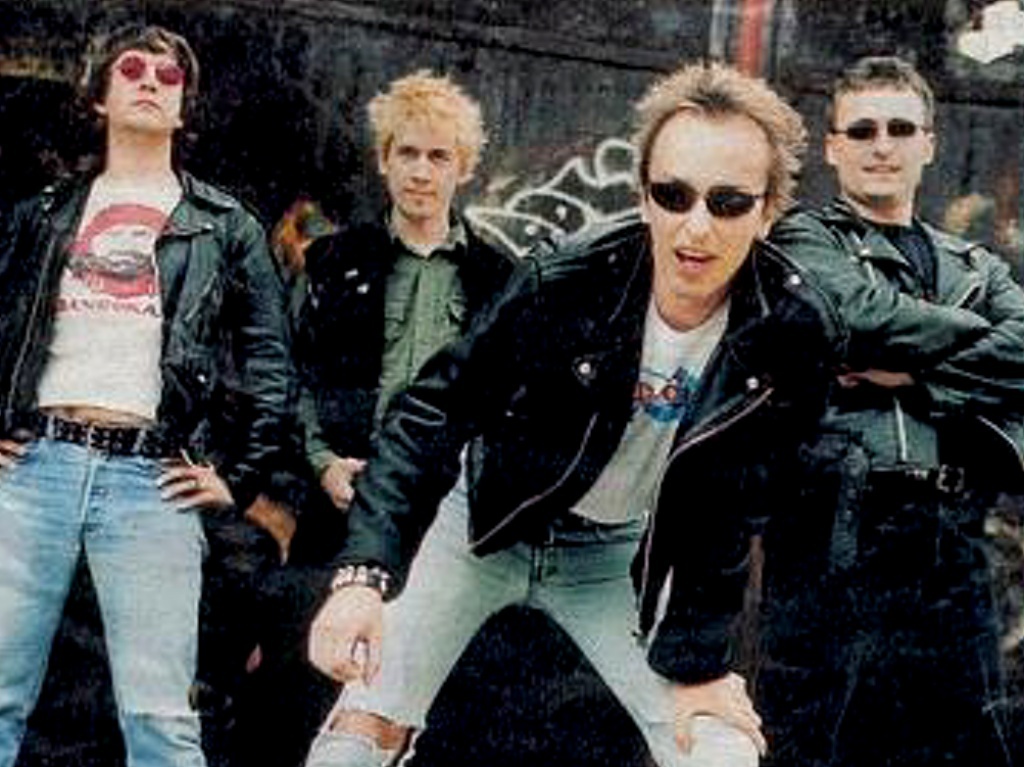
Antigypsyism in Underground Culture
During the late socialist period, Czechoslovakia promoted an image of ethnic equality and denied racism, yet Roma communities faced systematic discrimination through housing segregation, labour policies, surveillance, and assimilationist measures. Antigypsyist stereotypes circulated widely in public discourse, even if not officially acknowledged. Within this context, parts of the underground punk scene reproduced racist language against Roma. In 1983, the Bratislava band Zóna A performed and spread the song „Cigánsky problém“, portraying Roma as a social threat with dehumanising imagery. Shared through informal cassettes and live shows, the song reflected long‑standing antigypsyist tropes. The band later stopped performing the song, though debates about its legacy and the band’s political associations continue. The case illustrates how antigypsyism persisted not only in state policy but also in subcultural spaces that defined themselves as oppositional.
„Punks, for example, were often highly critical of the Roma population; some punk bands even had racist lyrics. The Slovak punk band, Zóna A, had a song entitled ‘Cigánský problém’ (‘Gypsy Problem’).“
The Relational Character of Subcultural Ideology in the Case of Punks and Skinheads in the Czech Republic
Helena Novotná, Charles University Prague (IUUK), Department of Cultural Studies, pp. 10–11
Further Reading / Sources
Helena Novotná – “The Relational Character of Subcultural Ideology in the Case of Punks and Skinheads in the Czech Republic”
Charles University Prague; documents Zóna A’s “Cigánský problém” as racist punk content and comparative subcultural ideologies
DIY Conspiracy – “The History of Punk in Czechoslovakia”
Overview of Bratislava punk scene, Zóna A police harassment 1987, and general context of underground culture