

Defining “Gypsy” as a state category
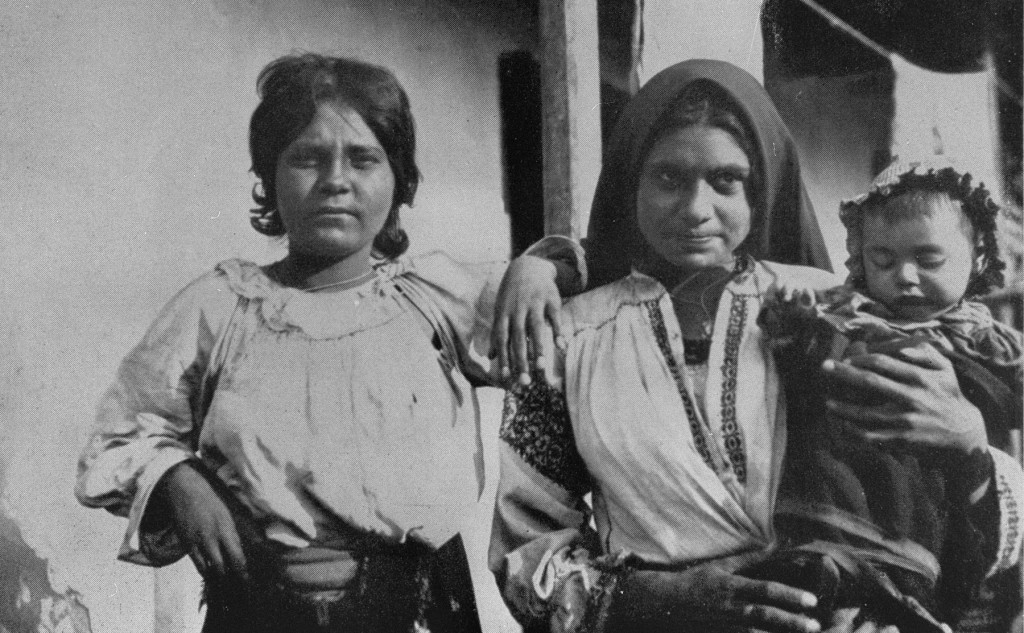
The forced registration of Roma in Slovakia was not a routine bureaucratic act but a deliberate racial policy aimed at identifying, controlling, and stigmatising an entire community. In June 1940, the Ministry of Interior issued guidance defining “Cigán” in explicitly racial and hereditary terms, framing Roma identity as rooted in ancestry and depicting their way of life as inherently linked to idleness and social deviance. Building on this definition, authorities introduced compulsory identification documents, expanded police surveillance, and imposed strict movement controls. These measures embedded antigypsyism into daily administrative practice, turning prejudice into an enforceable system and creating the institutional groundwork that later enabled forced labour schemes, internment, and the development of camp structures.
„According to § 9 of Regulation No. 130/1940 Sl. z., a Gypsy is defined as only a member of the Gypsy race, descended from two parents, who lives a nomadic or settled life, but avoids work.”
.“
Slovak Academy of Science
Further Reading / Sources
Metodika – História Rómov: Verbatim 1940 Interior Ministry definition and discussion of Roma registration
IN MINORITA / Bagar – Diskriminácia Rómov na Slovensku
Online overview; reproduces the Interior Ministry definition of “Cigán” and mentions decrees 127/1940, 163/1941
SNG – Sen × Skutočnosť: Rómovia
Museum text on Roma under the Slovak State, includes summary of legal definition and control measures
Daniel Vasilišin – Diskriminácia Rómov na Slovensku v rokoch 1918–1945
Study in student conference volume, with section on Interior Ministry regulations defining who is “Cigán”
Katarína Lehoczká – article in Historický časopis / SAV on measures against Roma
Includes decree no. 163/1941 MV and orders to remove Roma from roads, showing follow‑up to the 1940 definition