

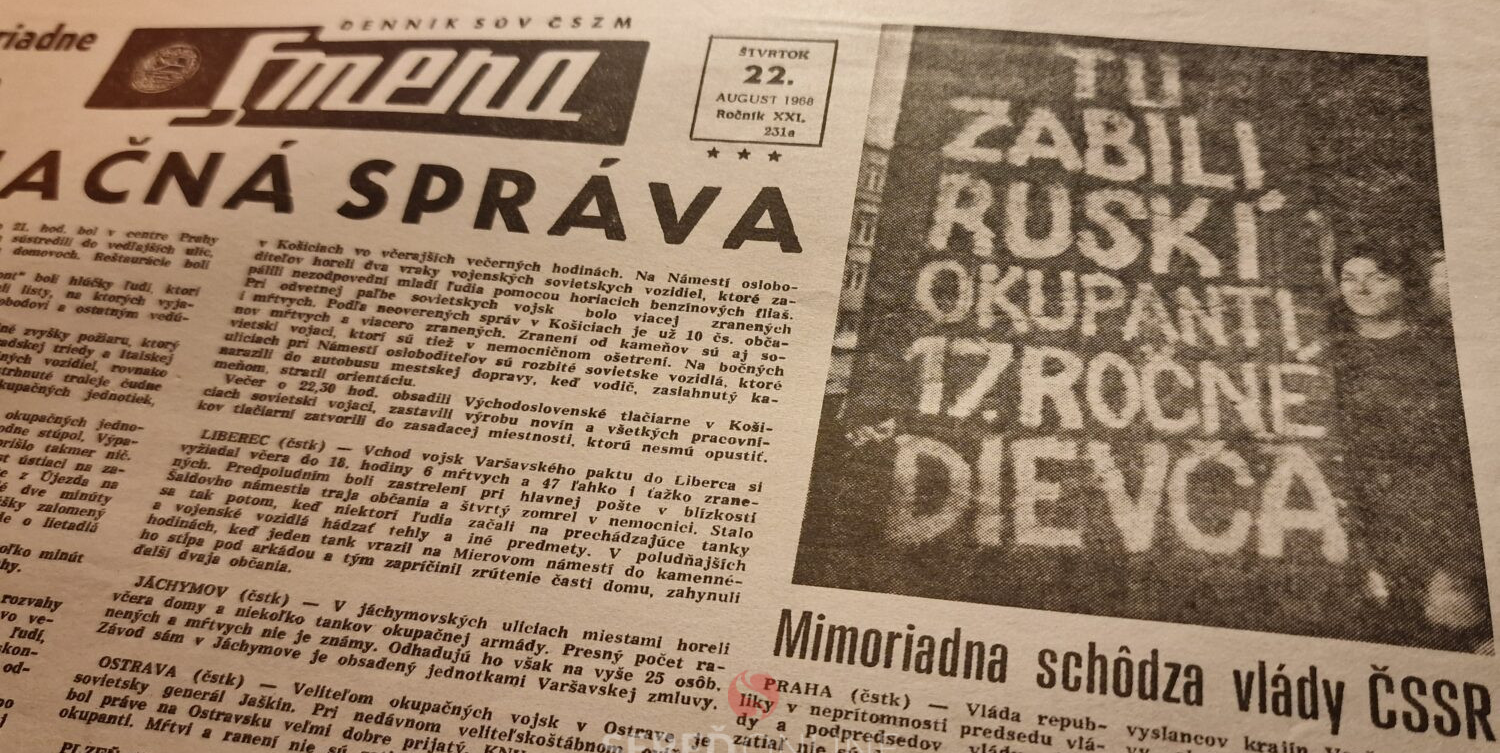
Propaganda, Discipline, and “Social Order”
In socialist Czechoslovakia, the press served as an instrument of state ideology and social regulation. Newspapers and magazines were expected to endorse official policies and shape public attitudes. Within this framework, Roma were routinely depicted as backward, unproductive, or resistant to socialist norms, while structural discrimination was ignored or reframed as individual failure. Articles emphasized alleged unwillingness to work, criminality, poor hygiene, or the need for strict supervision, aligning with assimilationist policies and legitimizing interventions such as relocations, labour controls, and surveillance. By presenting antigypsyist assumptions as objective reporting, the state press normalized discrimination, reinforced social distance, and entrenched narratives that continue to shape public discourse in Slovakia today.
„This perception [of Roma as ‘scourge of the countryside’] further infiltrated the pages of the press of the period, where it appeared in the sections focused on crime and court reports.“
From ‘Scourge of the Countryside’ to ‘Social Parasites’ and ‘Job-Hoppers’: ‘Gypsies’ in Czechoslovak Criminology from the First Republic to Early Normalization
Pavel Baloun, Soudobé dějiny / Czech Journal of Contemporary History, Vol. XXX, No. 3 (2023), p. 703
Further Reading / Sources
Cambridge University Press – „Cultural Politics of Ethnicity: Discourses on Roma in Communist Czechoslovakia“
Book on how socialist discourses constructed Roma as socially deviant, including media/linguistic practices
Sociologický časopis / Czech Sociological Review – “Hodný, zlý a ošklivý”
Study on linguistic othering and negative stereotyping of Roma, Vietnamese, Ukrainians in Czech media; includes discussion of historical continuities
Sociologický časopis / Czech Sociological Review – article on Roma representation in interwar and socialist Czechoslovak press, noting “scourge of the countryside” framing and concentration in crime sections
ERRC – general resource on antigypsyism in public discourse