

Racist Violence and Judicial Failure
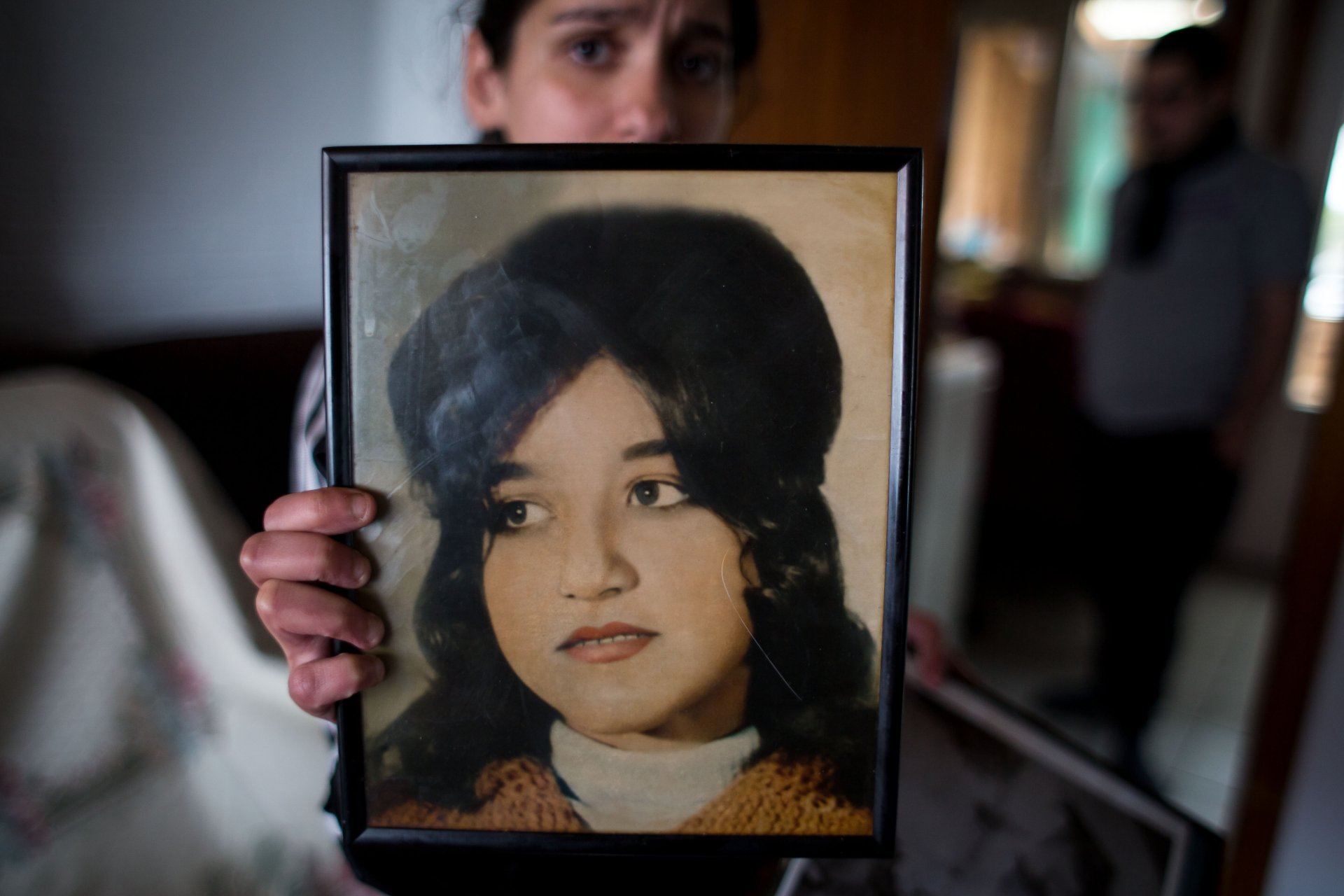
During the 1990s, Slovakia saw a surge of violent attacks by skinhead groups targeting Roma families, driven by racist ideology, weak law enforcement, and the absence of hate crime recognition. In Žilina, the Baláž family was assaulted by extremists motivated by antigypsyist hatred. Despite the severity of the attack, authorities failed to acknowledge its racial dimension, downgrading charges and limiting accountability. The case of Anastazia Balážová became emblematic of the broader rise of racist violence in Slovakia’s democratic transition, exposing how institutional reluctance to prosecute hate crimes fostered impunity and left Roma communities vulnerable to ongoing prejudice and systemic failures.
„Three men shouting racial epithets beat Anastazia Balážová, a fifty-year-old Roma woman, and two of her daughters. She died from her injuries two days later. Deputy Prime Minister Csaky called the crime ‘deplorable,’ but the chief investigator said that police had no evidence that the crime was racially motivated.“
Human Rights Watch
World Report 2001: Slovakia, 2001, p. X.
Further Reading / Sources
ERRC – “Romani woman in Slovakia dies after beating”
Main contemporary source on the Balážová case and initial judicial failures
Human Rights Watch – World Report 2001: Slovakia
Documents initial police denial of racial motivation and later acknowledgment
Romea.cz – “Slovak Govt Plenipotentiary for the Romani Community: Žilina is a textbook example of hate crime”
2022 statement confirming Žilina as emblematic of hate crime prosecution failures