Uccu Roma Informal Educational Foundation creates dialogue between Roma and non-Roma communities in Hungary through informal education, Roma-led city walks, and personal encounters. Its work connects Roma identity, culture, local memory, and lived experience with the need to challenge antigypsyism and stereotypes today.
Economic transition after 1989 intensified exclusion. De-industrialisation and mass unemployment hit Roma communities hardest, eroding the limited social mobility they had gained under communism. Although successive governments adopted Roma inclusion strategies, weak enforcement and politicisation undermined progress. The rise of far-right parties in the 2000s mainstreamed antigypsy rhetoric: paramilitary marches in villages such as Gyöngyöspata and Devecser in the early 2010s terrorised Roma residents under the pretext of “restoring order.” Such marches have since been prevented by the police and open expression of antigypsyism has decreased. Despite significant investment in inclusion programmes, particularly housing desegregation, and increased employment among the Roma community since the late 2010s, political forces continue to exploit and fuel anti-Gypsy sentiments. Segregation and discrimination still prevail.
Historical Roots of Exclusion
Roma presence in Hungary dates back to the 15th century, yet their history has been marked by alternating cycles of control, marginalisation, and persecution. The Habsburg era (1526–1867) was characterised mainly by assimilation that sought to eradicate Roma culture and itinerant life. The regime’s policies often reflected a combination of repression and assimilation, influenced by racial hygienic and biological assimilation discourse and societal definitions of Gypsies as “work-shy”. During the Austro-Hungarian Monarchy (1867–1918), settled Roma were partially integrated. Yet, those living a nomadic lifestyle still faced significant prejudice and exclusion, often harassed by the authorities and treated as criminals. Although the 1893 national Roma census mapped their situation, no meaningful inclusion measures were taken. Most Roma children did not receive a regular education, which further widened societal gaps.
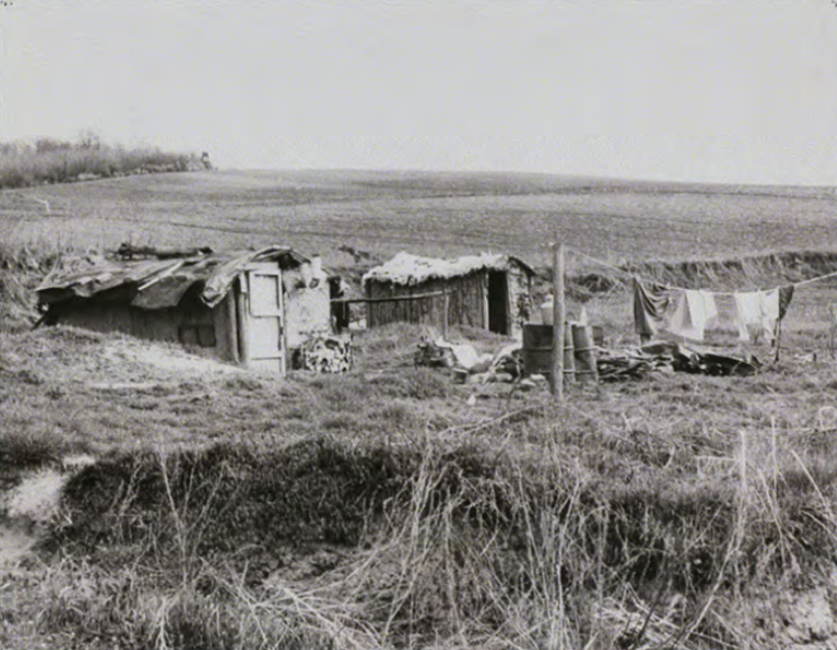
In the interwar period during the era of Miklós Horthy, there was no central Roma policy. The Roma were primarily treated as a public order and social issue, with law enforcement handling traveling Roma. Laws institutionalised segregation and forced labour. The Nazi occupation in 1944 and the collaboration of Hungarian authorities , led to the Porajmos, during which thousands of Roma were executed, deported, or died in forced labour battalions and concentration camps. Post-war communist rule replaced overt persecution with paternalistic control: Roma survivors received neither reparations nor recognitionand were excluded from land reforms, leaving them impoverished. State-led “modernisation” policies enforced settlement in segregated and often substandard housing on urban margins, while portraying them as a “social problem.” Education . While education and employment programmes formally aimed at integration, they frequently reinforced dependency and cultural erasure. Despite official rhetoric of solidarity, Roma citizens remained disproportionately poor and stigmatised.
Between Assimilation and Resistance
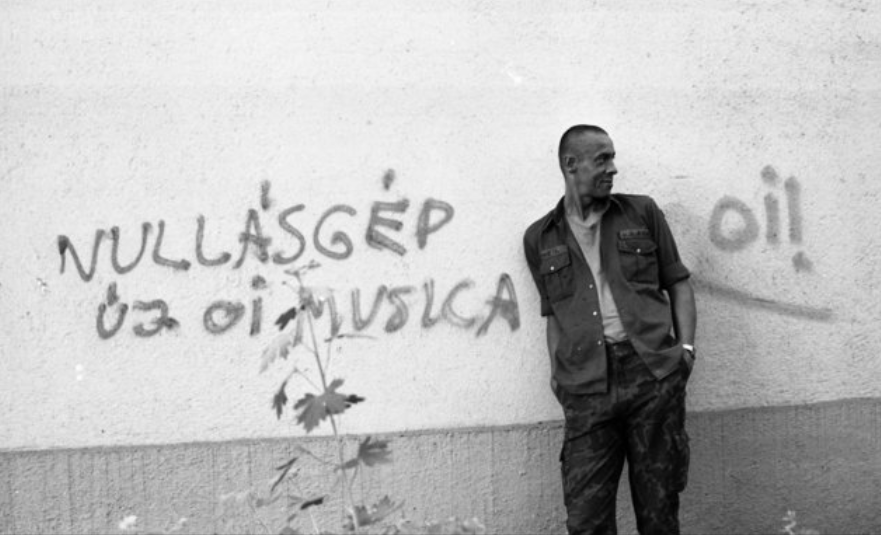
Since 1989, Hungary’s transition to democracy has exposed the continuity of antigypsyism. Discrimination in schools and workplaces, racial profiling by police, and the persistence of segregated settlements illustrate how prejudice transcends ideology. Since the 1990s, Roma communities in Hungary have faced repeated violent attacks, – from skinhead raids to coordinated neo-Nazi firebomb and gun attacks on Roma homes – particularly during the serial killings of 2008-2009. Far-right marches, including the 2012 march organised by Jobbik in Devecser, shocked domestic and international audiences in the first half of the 2010s. These were later prevented by the authorities. However, widespread discrimination, including racial profiling, has continued, exposing persistent antigypsyism and systemic impunity.
Confronting antigypsyism in Hungary requires more than desegregation and integration policy—it demands a broader approach to social inclusion and recognition of the historical continuity of exclusion and its moral cost. In recent years, local Roma-led initiatives and NGOs have begun to challenge exclusion, building networks of advocacy and cultural empowerment. Yet the broader social climate remains tense, with online hate speech and political scapegoating perpetuating hostility.